
African Women Need More Than Commitments on the Belém Action Plan
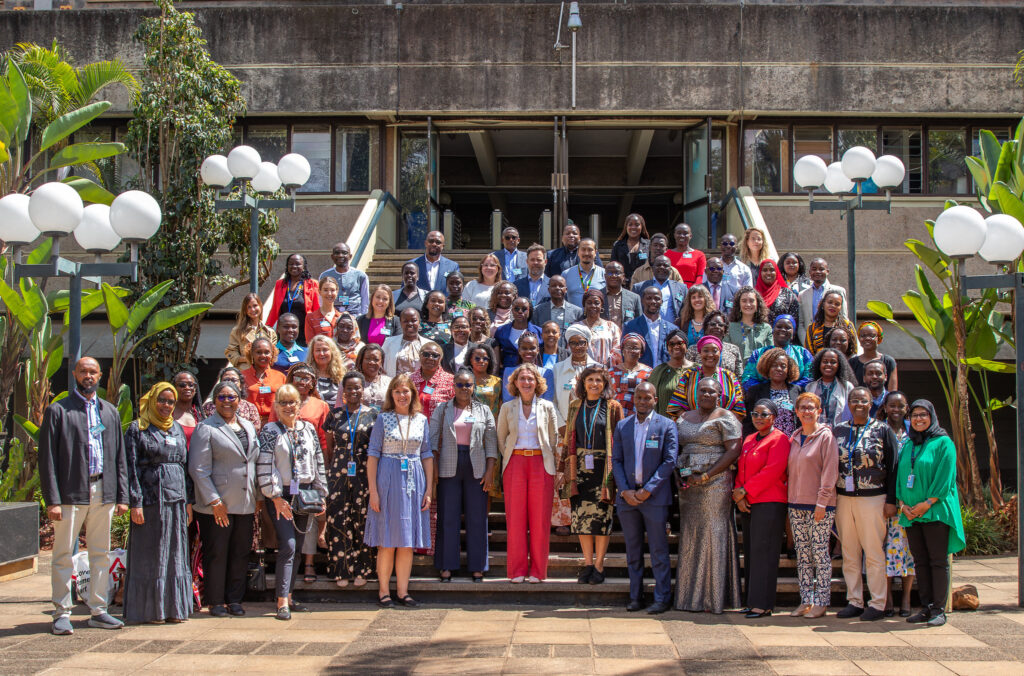
Nairobi, Kenya | 9 October 2026- Climate finance must move beyond policy commitments to deliver measurable improvements in the lives of women and girls. This was a central message from Unlocking Climate Finance for Gender Equality, held 5 to 7 October 2026 at the United Nations Office at Nairobi (UNON), which brought together climate finance institutions, policymakers, development partners, and civil society to examine pathways to gender-responsive climate action. The 2026 pre-COP31 convening, organized by UN Women, UNEP, the African Group of Negotiators Expert Support (AGNES), and other partners, explored access to international climate funds, private sector investment, domestic resource mobilization, and the implementation of gender-responsive Nationally Determined Contributions (NDCs). For the African Center for Health, Climate and Gender Justice Alliance (ACHCGA), the discussions were timely, as they underscored a persistent gap between climate finance commitments and the realities facing women, girls and frontline communities. Imali Ngusale, Strategic Lead at ACHCGA, said, “Women and vulnerable girls remain underserved, and many cannot access climate finance, despite experiencing disproportionate climate-related risks.” Ngusale stressed that the Belém Gender Action Plan must be adequately financed to turn its commitments into action and deliver the intended outcomes of the UNFCCC gender-responsive indicators. “Without dedicated resources, measurable targets and accountability, gender equality risks remaining an aspiration rather than an outcome of climate policy, said Ngusale during the presentation on addressing intersections of violence against women and girls and climate change. The discussions also highlighted the intersectionality between climate change and gender-based violence, pegged to a 2026 report that underscored that climate disasters such as floods, droughts, cyclones, and extreme heat affected over 5,000 women and girls in Kenya, Bangladesh, Peru, Senegal, and Zimbabwe. Janet Odhiambo from Safe Online Women said, “Data on climate change and sexual and gender-based violence must not be ignored.” Josephine called attention to evidence needed to understand the risks and inform effective responses. Her concerns are reinforced by Plan International’s 2026 Change Her Forecast report, which surveyed 5,000 girls and young women aged 15–24 in Kenya, Bangladesh, Peru, Senegal and Zimbabwe. The findings from the survey revealed that one in 10 respondents had experienced an unintended pregnancy following a climate-related event, while 28% reported observing increased violence against women and girls after such events. Participants examined funding opportunities through the Green Climate Fund, Adaptation Fund, Climate Investment Funds, and Global Environment Facility, as well as approaches to mobilizing domestic financing and engaging private investors. Sessions also considered gender-responsive disaster risk reduction, women’s access to green jobs, the care-climate nexus and the role of data in strengthening accountability. For ACHCGA, the priority is ensuring climate finance reaches the communities most affected by climate change, including women-led households, young people, persons with disabilities, and other marginalized groups. This requires accessible funding mechanisms, meaningful participation in decision-making, transparent resource allocation, and gender-disaggregated data that measure real outcomes. As African countries advance their Nationally Determined Contributions (NDCs) and implement the Belém Gender Action Plan, financing must match ambition. Gender equality in climate action cannot be achieved through commitments alone; it requires resources, evidence, and accountability.
African Women Need More Than Commitments on the Belém Action Plan Read More »