Our Programmes
The African Center for Health, Climate & Gender Justice Alliance (ACHCGA) works where some of Africa’s most urgent challenges converge. Climate change is reshaping health. Climate shocks are deepening gender and economic inequalities. Loss of livelihoods can disrupt access to essential services. Public policies and financing decisions determine who is protected, who is left behind and whose knowledge counts.
ACHCGA connects these realities.
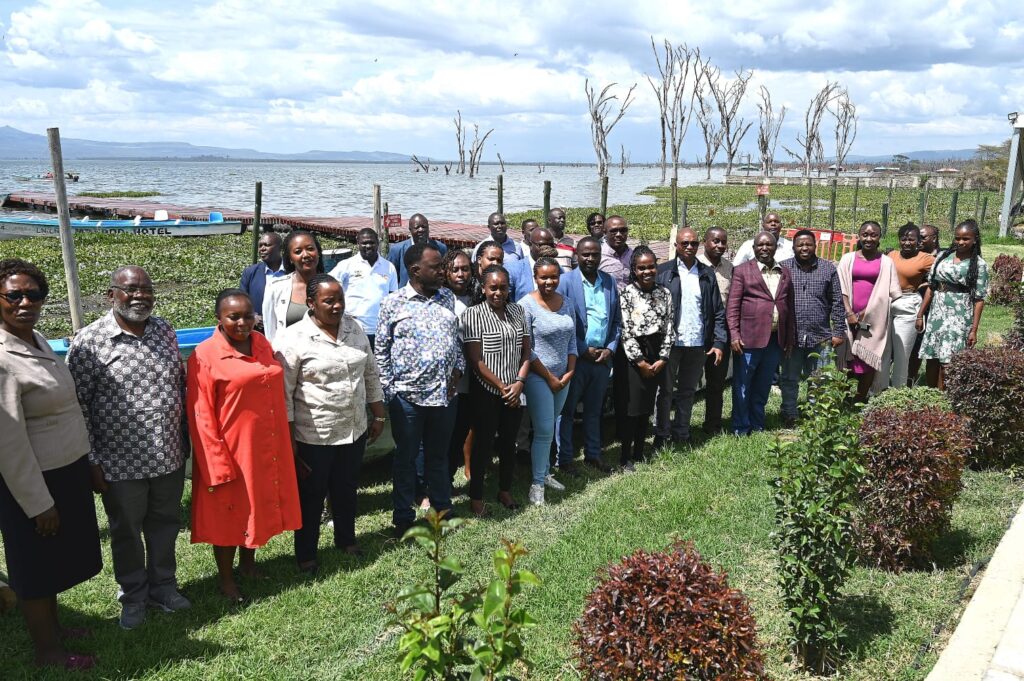
We generate evidence, amplify frontline voices, strengthen community agency and engage decisionmakers to influence the policies, financing and systems that shape people’s lives. Our work is organised around four interconnected areas of action:
Priority Areas
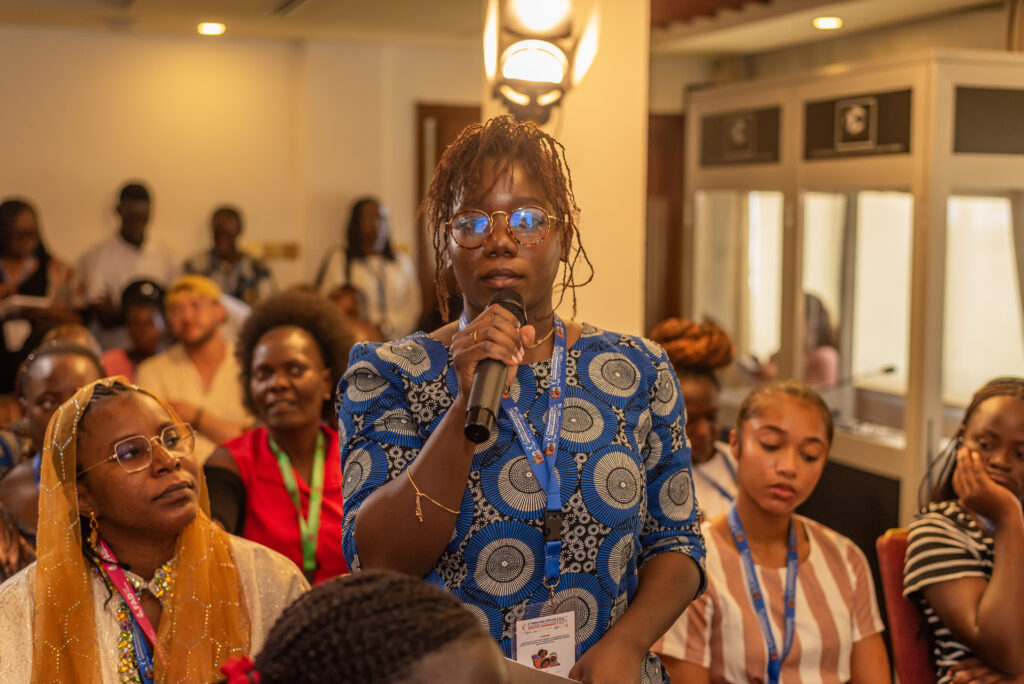
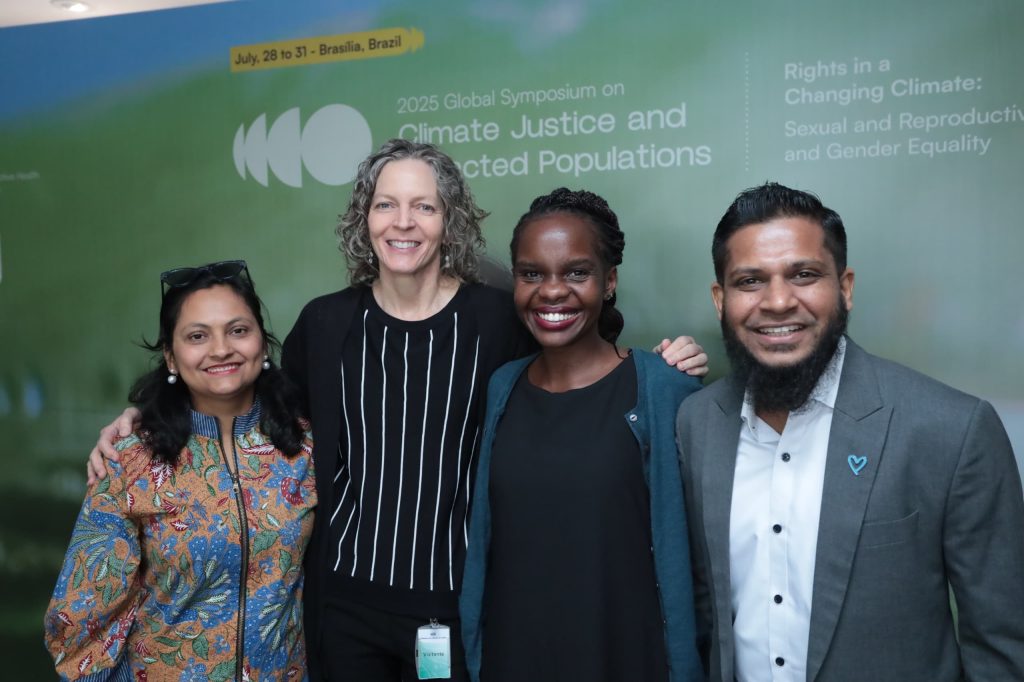
01
Climate Justice
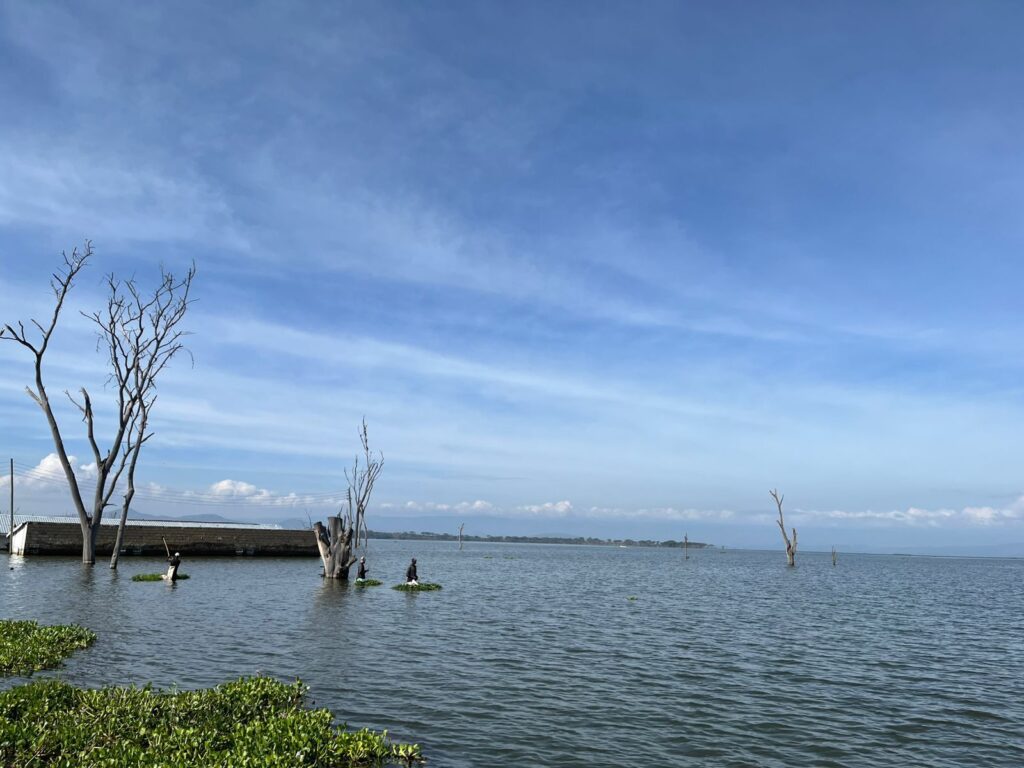
We work with frontline communities to document climate impacts, strengthen resilience and demand fairer climate action and finance. Our focus is on Loss and Damage, Just transition, climate adaptation and resilience
02
Resilient Health and SRHR
We advance health systems that can withstand climate shocks while protecting access to essential sexual and reproductive health and rights services.
03
Gender Justice and Economic Governance
We promote gender-responsive policies, public budgets and accountability mechanisms that ensure resources reach women, girls and marginalised communities.
04
Youth and Community Leadership
We support young people and communities to generate solutions, participate in decision-making and lead locally grounded climate and social justice action.
05
Climate Finance and Policy Advocacy
We work to strengthen the connection between climate finance, public policy and community priorities so that climate resources produce equitable and locally meaningful outcomes.
Climate-Justice
Our Climate Dues project highlights the impact of climate- induced losses and damages on vulnerable communities.
100+ household climate-loss cases documented
40+ Climate Ambassadors engaged
400+ people reached through community climate action
75,000+ households affected or at risk from climate-related impacts in communities we document
Our project advocates for climate justice by ensuring that communities affected by climate disasters receive adequate support to cope with the growing costs of loss and damage. Our project was inspired by Johari Lisa, our 15-year-old Climate Ambassador. Climate Dues is the heartbeat of the #PayUp4LossandDamage campaign. Email ngusale@achcga.org
Health Justice
Climate shocks do not affect everyone equally. Drought, floods, displacement, heat and food insecurity can disrupt access to healthcare and place additional burdens on women, girls and adolescents.
ACHCGA connects climate resilience with health systems and sexual and reproductive health and rights, advocating for policies and services that remain responsive when communities are under pressure.
Our work spans climate and health, SRHR, RMNCAH, primary healthcare, health systems and health policy.
6+ counties informed through SRHR and climate policy work
5,000+ experts reached through health research and innovation conversations
Youth Leadership
ACHCGA believes that young people must have more than a seat at the table. They must have a role in shaping the table, the decisions made around it and the resources that follow. The people closest to a problem often understand its solutions best. Our work supports young people and communities to turn lived experience into advocacy, evidence and action.
Through our Climate Ambassadors, youth-led advocacy and community initiatives, young people are helping safeguard forests and other natural resources, strengthen climate resilience and influence decisions affecting their communities
Justice for Vulnerable
ACHCGA provides pro bono legal and rights-based support to vulnerable women and communities facing climate, environmental and gender-related rights challenges. Through its gender justice and climate justice work, the organisation seeks to strengthen access to justice and support affected communities in asserting their rights and pursuing accountability. inseparable from achieving climate justice.
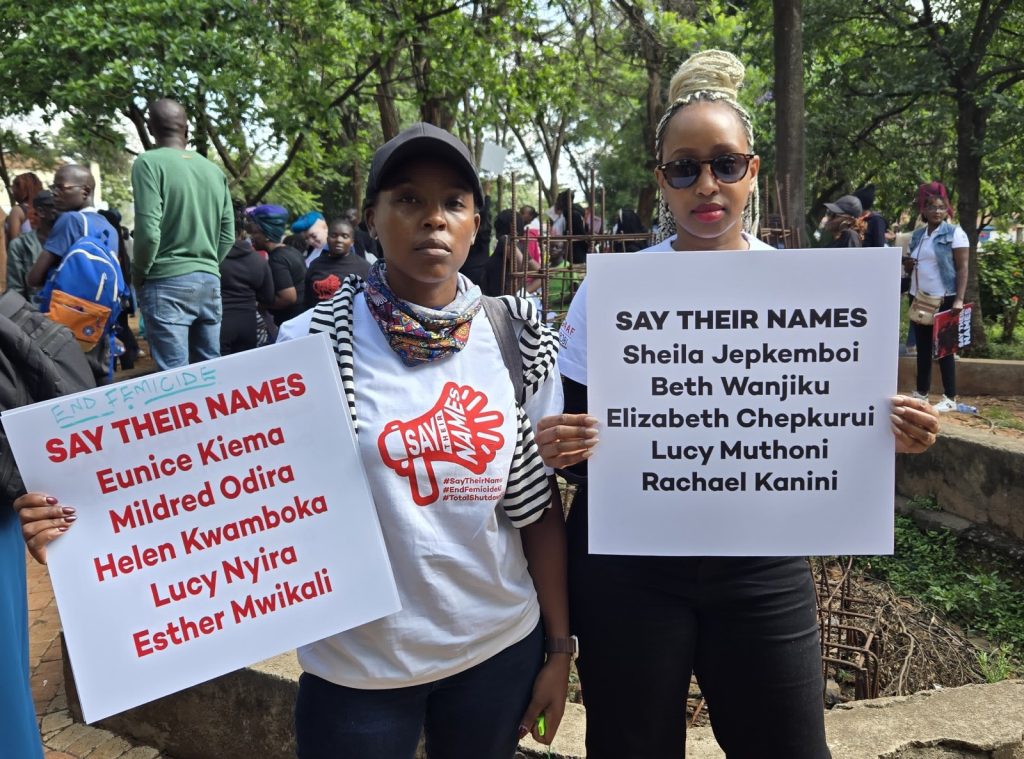
Gender Justice "Scars of Femicide
Between 2016 and 2024, Kenya recorded over 1,069 reported cases of femicide. Behind these statistics are women and girls whose lives were violently taken, often followed by harmful media narratives that label victims as “gold diggers” or “irresponsible socialites.” Such reporting shifts blame to victims and worsens trauma experienced by mothers, sisters, daughters, and communities left behind. . The Scars of Femicide project seeks to challenge this silence and stigma by creating a storytelling and advocacy platform led by young women and girls. We aim to restore the dignity of victims by speaking truth to power. Email gwahalla@achcga.org for more details.
Research, Innovation & Evidence for Systems Change
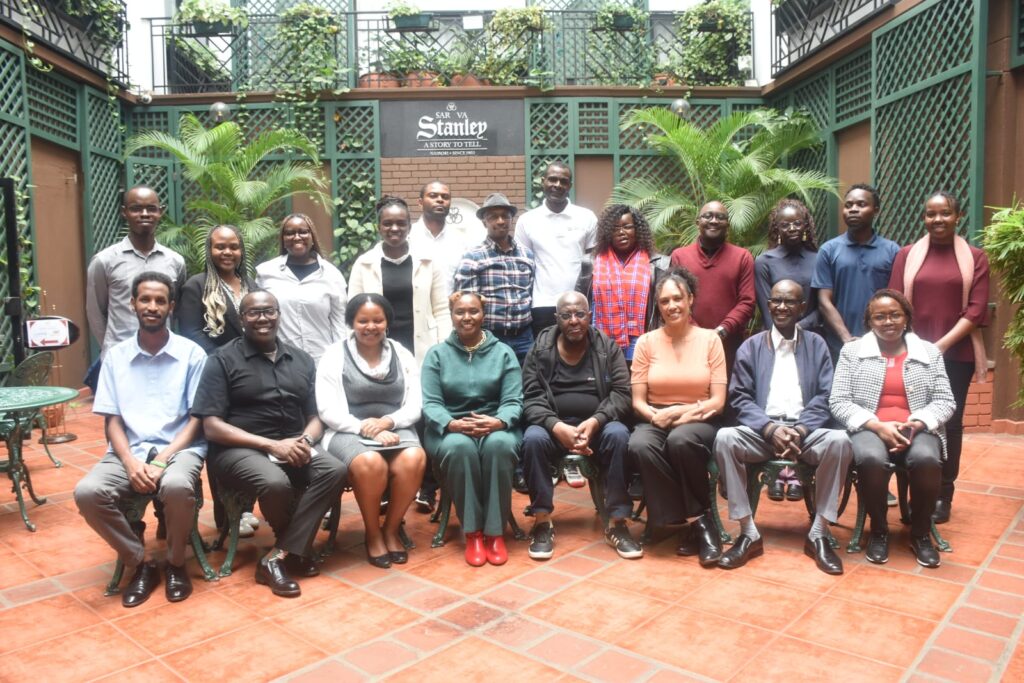
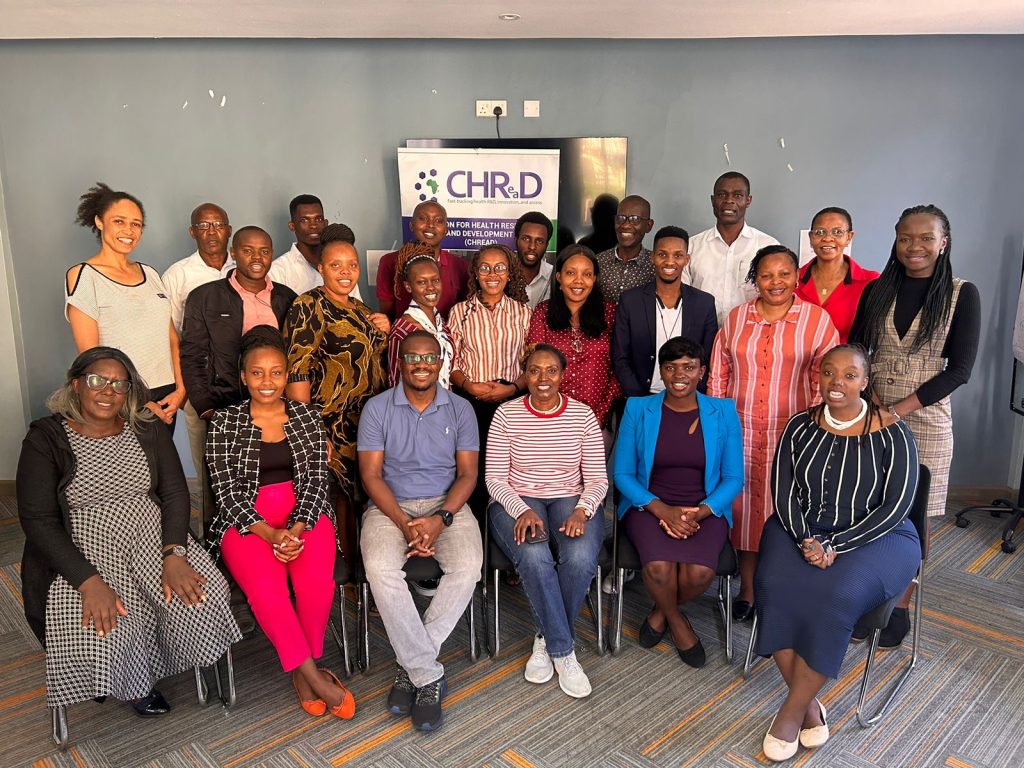
In partnership with the Coalition for Health Research and Development (CHReaD), ACHCGA advances health research and innovation by empowering young researchers, universities, and emerging scientific leaders to develop locally driven solutions to Africa’s most pressing health and climate challenges. Through strategic partnerships, capacity strengthening, and knowledge exchange, we foster an ecosystem where innovation translates into measurable social impact. We champion inclusive research systems that prioritize locally generated knowledge, gender-responsive innovation, and climate-resilient health systems.
Community Resilience, Food Systems & Sustainable Livelihoods
Climate resilience begins at community level, and in Kenya that means agriculture. ACHCGA is committed to revolutionizing agriculture through innovative, sustainable practices harnessing Kenya’s agro-ecological potential to help smallholder farmers and pastoralists adapt to worsening drought while expanding market access and household income. Climate adaptation, in this pillar, is measured in harvests, incomes, and food security, not just in policy papers. Our initiatives promote climate-smart agriculture, sustainable food systems, pastoralist resilience, women’s economic empowerment, youth green entrepreneurship, ecosystem restoration, and water security investing in solutions that help communities adapt, recover, and thrive while protecting the biodiversity and natural resources their livelihoods depend on.