Kenya First Tracks the Barbados Implementation Modalities Under FRLD
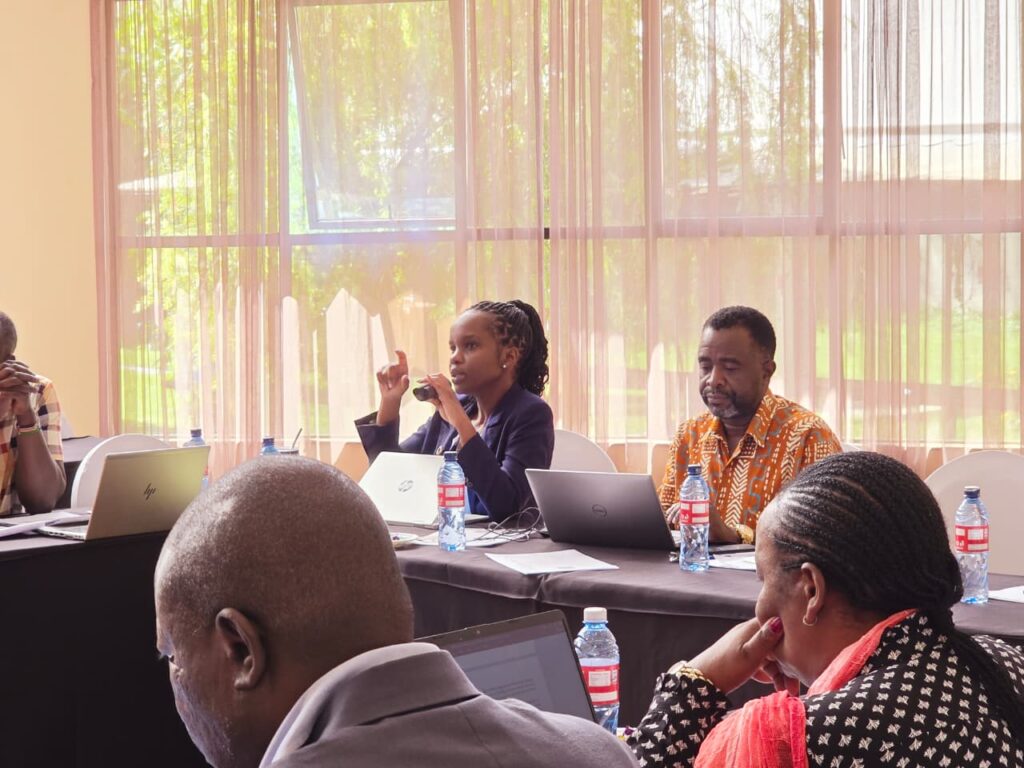
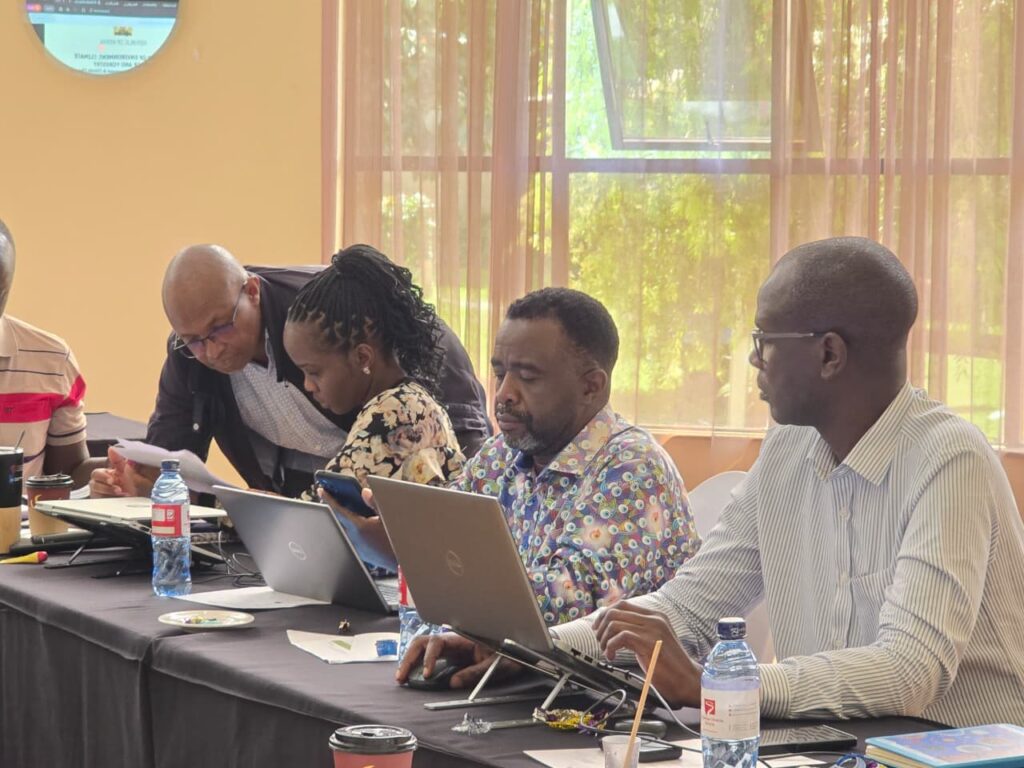
African Center for Health, Climate & Gender Justice Alliance (ACHCGA) joined experts, professors and lecturers from Masinde Muliro University Department of Disaster Management, the County Government of Kisumu, the County Government of Turkana, Cunty of Busia, the National Environment Management Authority (NEMA), the Kenya Institute for Public Policy Research and Analysis (KIPPRA), State Department of Gender and Affirmative action, the National Treasury, United Nations Population Fund, Egerton University, and the National Social Protection Secretariat, Collaborative Centre for Gender and Development, State Department for transport, the African Center for Health, and the NDC Partnership to discuss the Barbados Implementation Modalities acronymized as BIM. The BIM guides the operationalization of the global response to loss and damage under Article 8 of the Paris Agreement. The BIM also reaffirms that support for Parties (Nation States) that have suffered Loss and Damage will be needs-based and capped. The BIM also stipulates priorities for climate-vulnerable countries. In a landmark move, the climate Change Directorate (CCD) under the Kenyan Ministry of Environment, Climate Change and Forestry, in partnership with the United Nations Population Fund (UNFPA) Kenya, launched an initiative to fast-track discussion climate-induced loss and damage in the country and domesticate, in line with the Barbados Implementation Modalities. Kenya’s bold step to domesticate the BIM is critical in addressing the escalating climate crisis that continues to inflict severe environmental, economic, and social impacts. This move is timely, following discussions at COP30 in Belém (November 2025), where Parties advanced the implementation of the Fund for Responding to Loss and Damage under the Barbados Implementation Modalities (BIM). Speaking during one of the sessions, James Thonjo, a senior climate change officer with Kenya’s Ministry of Environment, Climate Change and Forestry, said, “The losses and damages from climate change can no longer be ignored.” “We have witnessed rising water levels in the recent past that have ravaged communities of their livelihoods,” Thonjo continued, highlighting the immediate and visible impacts. Notably, in 2024 flash floods, exacerbated by an unprecedented El Niño, ravaged the country, claiming over 174 lives, displacing over 500,000 households. The unabated floods also destroyed 17,000 acres of farmland. Professor Simon Onywere from Kenyatta University said, “Climate change is one of the major drivers of the rising lakes and hence application for FRLD funds are quite in order.” The Professor who has done extensive research on rising water levels along the Rift Valley Lakes reiterated the worsening impacts faced by the communities. Professor Onywere further, underscored the need for government to increase funds allocation to support these communities including through accessing the available global funding like the Funding for Loss and Damage.
Kenya First Tracks the Barbados Implementation Modalities Under FRLD Read More »