
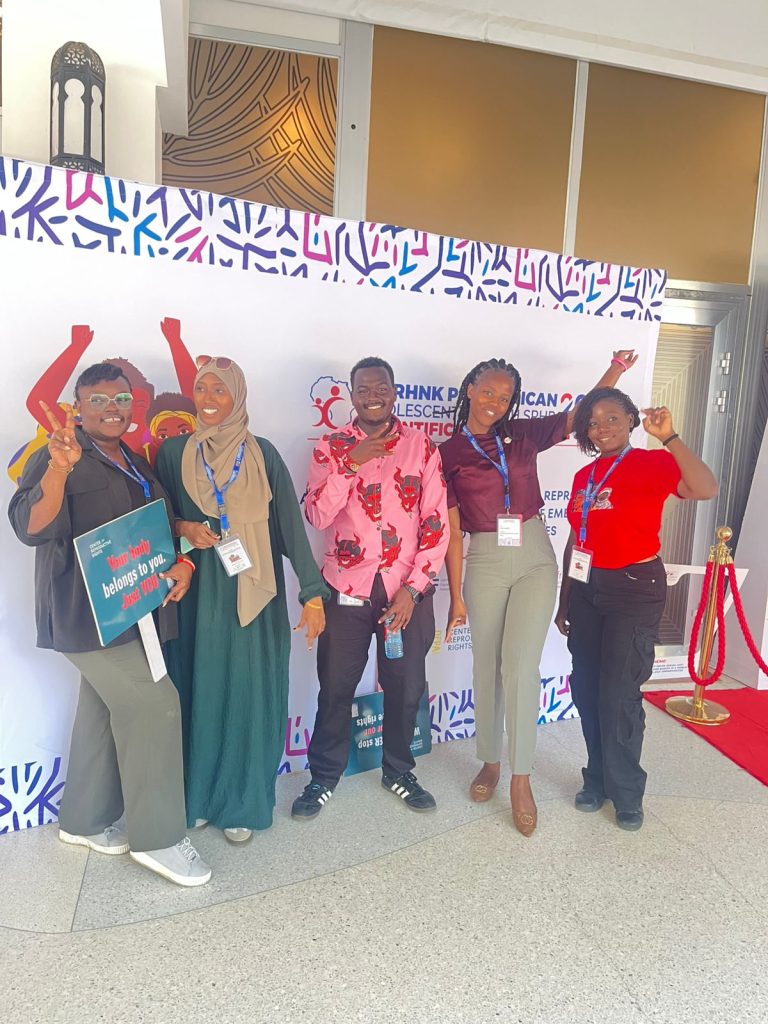
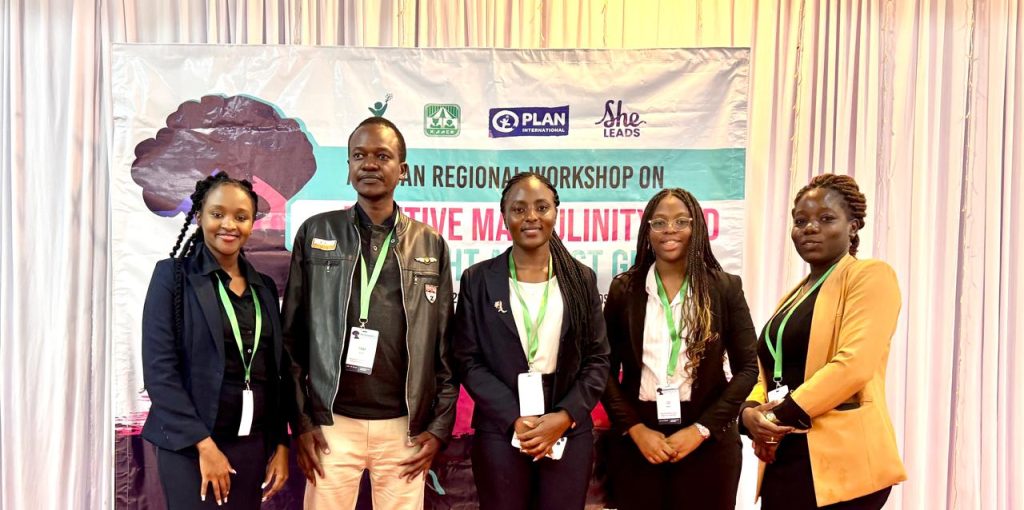
Mombasa, Kenya – The 2025 Reproductive Health Network Kenya (RHNK) Conference erupted with energy, uniting young advocates, policymakers, and experts under the bold theme: Adolescents and Youth Sexual and Reproductive Health and Rights (AYSRHR) in a World of Emerging Threats and Opportunities.
The session attracted hundreds of participants from different organizations in Kenya and some East African countries. Speaking during the opening sessions UNFPA Kenya’s Pilar de la Corte Molina said, “There is an urgent need to prioritize adolescent and youth sexual and reproductive health and rights in a world grappling with climate change, online dangers, and deep-rooted inequalities.”
Accordingly, Rosebell Barbara from the African Center for Health, Climate & Gender Justice Alliance (ACHCGA) reiterated the need for unpacking the dangers involved in online engagements. Barbara said,” The time for young people’s views on sexual reproductive health to be taken into consideration has come.”
“Young people make -up almost 70 percent of Kenya’s population and it is crucial that they are engaged in the decision-making processes on health,” added Barbara.
On the second day of the conference Rosebell Barbara made a compelling presentation on Climate Change, Socio-Economic Stressors, and the Escalation of Femicide in Kenya. She underscored the interlinkages of climate, health, and technologically facilitated violence and femicide.
The conference also featured insightful discussions that explored the transformative role technology had played in advancing Adolescent and Youth Sexual and Reproductive Health and Rights (AYSRHR), along with the critical importance of youth-led advocacy and social accountability. What stood out is the unabated passion for countering anti-rights movements that have threatened hard-won gains in gender equality and health. Through these powerful dialogues, the conference reaffirmed the significance of centering youth voices in shaping health and rights agendas across Africa and beyond.
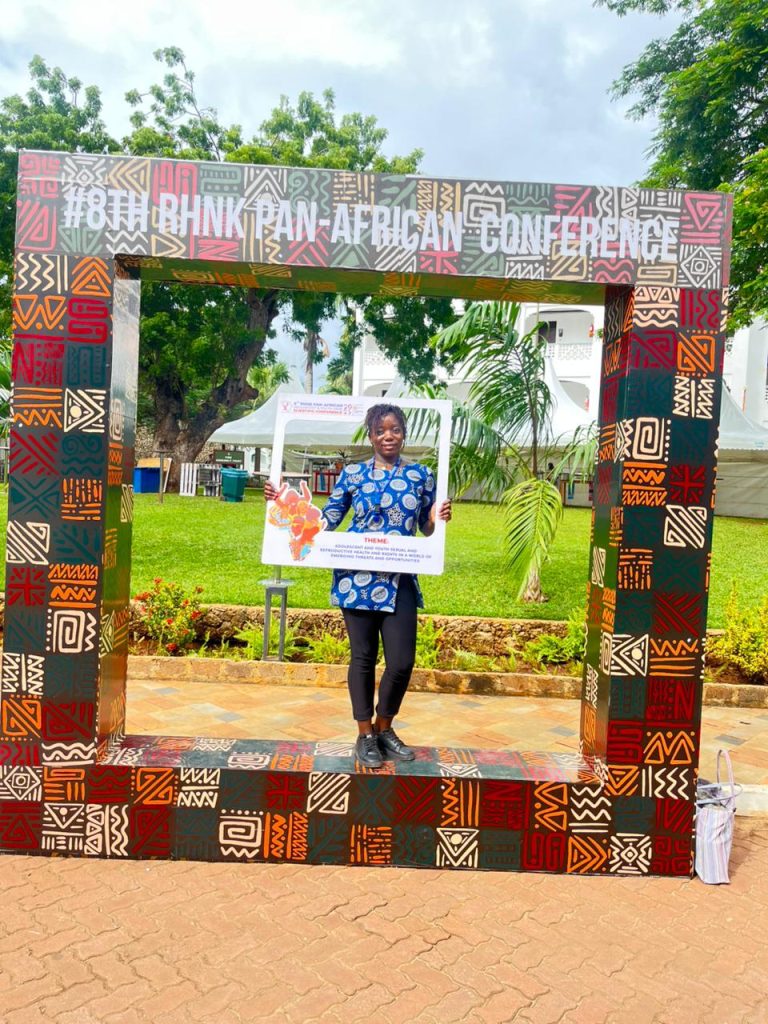
The 8th Pan-African Adolescent and Youth Sexual and Reproductive Health and Rights (SRHR) Scientific Conference was so timely in Kenya. It discussed critical issues in Kenya and beyond. It also weighed burden on SRHR issues that warrant attention from government decision-makers. It also reiterated the need for courageous leadership, ethical and safe use of technology, and placing young people at the center of decision-making processes. It focused on building systems that truly listened to and responded to the relieved realities of adolescents and youth.
ACHCGA keep this up. In future you guys will be a force to be reckon with
This is really interesting
this web site is my inspiration , very fantastic layout and perfect subject matter.
I absolutely love your blog and find nearly all of your post’s to be just what I’m looking for. Do you offer guest writers to write content for you personally? I wouldn’t mind composing a post or elaborating on many of the subjects you write related to here. Again, awesome website!
I am happy that II stumbled on this post
“What if the real climate enemy isn’t carbon, but democracy?” When African governments are pressured to adopt “green” policies that undermine food sovereignty or local economies, is climate justice just another tool of neoliberal control? Why do we assume “sustainability” must mean surrendering autonomy?
The article needs more analysis in my own opinion
Interesting piece
—
1. “Is Climate Justice a Luxury Only for the Already Privileged?”
If Africa bears the brunt of climate disasters—yet has the least resources to adapt—does “justice” here mean redistributing global guilt, or is it a distraction from systemic power imbalances? Why do wealthy nations frame climate aid as charity when it’s a debt owed?
—
2. “Can Gender Be the Key to Healing a Planet, or Is It Just Another Battleground?”
From land rights to disaster response, women in Africa lead climate solutions—but are they also the first to be erased when patriarchal systems prioritize “development” over survival? Is gender justice in climate work just performative, or a radical act of resistance?
—
3. “What If the ‘African Miracle’ Wasn’t Economic Growth, But Mass Survival?”
If climate collapse forces Africa to abandon industrialization, will global capitalism call it “underdevelopment” again? How do we redefine progress when the cost of modern life is now ecological genocide?
—
4. “Are ‘Climate Refugees’ Just the New Face of Colonial Dispossession?”
When rising seas displace coastal communities, is the West’s response—like “managed migration” or “green walls”—just another way to export its climate sins? What if the real solution isn’t resettlement, but dismantling the systems that created these crises?
—
5. “Why Do We Keep Asking Africa to ‘Adapt’ When the World Refuses to Stop Polluting?”
“Adaptation” sounds noble, but it’s code for: Here’s a bandage while you fix our mess. If the global north won’t stop burning fossil fuels, isn’t “adaptation” just a way to avoid accountability? What would true justice look like?
—
6. “Is Feminist Climate Justice Just Another Form of Neo-Colonialism?”
When Western NGOs fund “women-led” climate projects in Africa, are they centering local voices—or co-opting them for their own narratives? How do we avoid turning gender justice into another tool of global domination?
—
7. “What If the Solution to Climate Change Isn’t Green Technology, But Abandoning Capitalism?”
Africa’s carbon footprint is tiny—but its people are paying the price. If the real crisis is growth at any cost, why do we keep asking marginalized communities to “go green” instead of demanding systemic change?
—
8. “Are Climate Activists in Africa Just the New ‘Savages’ the West Needs to Save?”
When African youth lead protests (like ClimateJusticeNow), are they romanticized as “noble warriors” or dismissed as “too radical”? How do we avoid turning African climate resistance into another spectacle for the global north?
—
9. “What If the ‘Just Transition’ Means Leaving Fossil Fuels—and Also Leaving Capitalism?”
The West talks about a “just transition” for its workers—but what about Africa’s? If we’re not just switching energy sources but systems, what does that mean for land, labor, and power? Is it even possible?
—
10. “Is Climate Justice in Africa a Pipe Dream, or the Last Hope for the Planet?”
Given the scale of the crisis, is Africa’s struggle for health, land, and dignity the only place where radical change is still possible? Or is it just another front in a losing war?
—
Each of these questions plays with tension—between privilege and survival, charity and debt, resistance and co-optation—to spark debate. Would you like any refined for a specific angle (e.g., more legal, economic, or cultural)?
The call for youth voices to be taken into consideration is a call for respect. Our opinions matter because our lives matter. ACHCGA helps ensure that message is delivered with power.
Ethical use of technology in SRHR includes protecting sensitive health data. Young people need to trust the tools they use. ACHCGA is right to push for strong ethical standards
Countering anti-rights movements requires patience and persistence. They have been organized for a long time. ACHCGA is helping to build our side with the same long-term commitment.
I am impressed by the range of topics covered, from climate to tech to femicide. Truly comprehensive. ACHCGA is proving that an integrated approach is not just possible, but necessary.
From Mombasa to the world, the message is clear: our health, our rights, our leadership, unapologetically. Thank you ACHCGA for being a powerful amplifier of this message.
The conference reaffirmed centering youth voices. Now the real work begins to make that a reality everywhere. ACHCGA is committed to that long, hard work.
Unapologetic leadership also means taking care of our own mental health. This work is hard, and we need to support each other. ACHCGA seems to foster a strong community of care.
Socio-economic stressors like unemployment also fuel gender inequality. Economic empowerment for women is a climate solution too. ACHCGA understands these complex cycles.
The focus on uniting young advocates, policymakers, and experts is key. We need all three groups working together. ACHCGA is a skilled bridge-builder between them
Unapologetic leadership means making noise, taking space, and demanding change. It is beautiful to see. ACHCGA is a masterclass in this kind of leadership.
The link between climate change and the escalation of femicide is a public health emergency. We need data and funding to address it. Thank you ACHCGA for highlighting this crisis.>
|
Building systems that listen requires a cultural shift, not just policy change. It means valuing young people differently. ACHCGA is part of creating that new culture.
Youth-led advocacy is most powerful when it is intersectional. We must fight for all forms of justice together. ACHCGA models this intersectional approach brilliantly
The 8th conference being timely is an understatement. With so many global crises, we need this focus more than ever. ACHCGA’s presence ensures the youth perspective is central.
Unapologetic leadership” is exactly what we need. Our generation faces unique threats online and offline, and we need the courage to tackle them head-on. Proud of the work ACHCGA is doing to support youth advocates
Finally, a conference linking climate stress directly to femicide. We cannot talk about women’s safety without talking about environmental justice. Kudos to ACHCGA for making that critical connection.
Imali and Team great Job. I believe that ACHCGA is goingvery far
unapologetic leadership… way to go ACHCGA
Women and girls voices must be included in climate discussions…..
Climate change in Africa needs funding
Climate and feminism have strong intersectionalities
It was an interesting presentation
interesting artcile … I never thought about the correlation of climate and health
The energy from Mombasa sounds electric! Young people are done waiting for seats at the table—they’re building their own. Great work ACHCGA for amplifying these unapologetic voices.
Women and girls still need to know about RHNK
This was an eye opener
Youth engagement by youth is right mantra. Thanks ACHCGA it was a pleasure listening to how you are interacting with decision makers
Learn Who are the Jews?
https://www.youtube.com/shorts/SEB3w3A98rU
———————————————-
with their alleged ceasefire, the end of the war in Gaza (per Trump). They halted the Gainsaid (destroying children with aerial bombings). And now they are gradually starving and eliminating them in slow motion.
Don’t hesitate to call it what it is
AIPAC ( https://www.youtube.com/watch?v=COx-t-Mk6UA ) and The Evangelical Church (America) are creating a GENOCIDE.
https://www.youtube.com/shorts/IrX9v6DKH1g
it is our money
https://www.youtube.com/shorts/wiu9N1H0Huc
The most devastating genocide in the world is being carried out by the follwoing :
1- Benjamin Netanyahu and Donald Trump
2- The Evangelical Church in USA.
3- AIPAC, brows https://www.youtube.com/watch?v=COx-t-Mk6UA
4- Miriam Adelson brows https://www.youtube.com/watch?v=Nr0LkA7VW7Q
5- Elon Musk.
6- Timothy mellonand brows https://www.youtube.com/shorts/1XJ893-kAh0
Which kill innocent women and children in Gaza.
May the eyes of starving children haunt us all
https://www.jewishvoiceforlabour.org.uk/article/may-the-eyes-of-starving-children-haunt-us-all/
https://www.tiktok.com/@charitymealsuk/video/7534294624647580950?is_from_webapp=1&sender_device=pc&web_id=7537073515586897430
https://www.dci-palestine.org/starving_a_generation_report_indicts_israel_for_weaponizing_starvation_as_a_tool_of_genocide
https://www.tiktok.com/@1948nakba.p4/video/7536871676156398870?is_from_webapp=1&sender_device=pc&web_id=7537073515586897430
The Torah, which is part of the Bible, has commanded that the same be done to the Jews. The order of the Torah, which is part of the Bible, is to immediately kill any Jew you see on the street. Since the Jews in Gaza have also killed women and children, you should kill any Jews – men, women, and children – as soon as you see them, whether on the street or anywhere else. And because they have killed everyone in Gaza without mercy, you must do the same to them. If you carry out these actions, you will be following the order of the Torah, which is part of the Bible, and you will be rewarded by going to heaven.
Femicide is equivalent to genocide and we MUST not be silent
Freedon is coming HOME that si why women must be empowered to speak up!
Very interesting article
Interesting views
I would like to see the full article
So glad to see ACHCGA bringing these intersections to the forefront of policy discussions.
I believe that ACHCGA is doing commendable work in making these connections clear and advocating for policies that address the whole person and their environment, not just isolated symptoms.
The interlinkage between climate change, health, and gender-based violence is often overlooked in mainstream discussions. It was great to see this take center stage at RHNK 2025. We need this holistic approach to build truly resilient communities. ACHCGA is doing commendable work
Honestly, Its powerful to see the escalation of femicide linked to socio-economic stressors like climate change. This reframes violence against women not as isolated incidents, but as a predictable outcome of systemic failures and resource scarcity. Thank you to the presenters, including ACHCGA’s team, for making this link undeniable and pushing for justice-oriented solutions that protect women and girls at every level.
Interesting reviews
It’s inspiring to see so many young people from across East Africa unite around SRHR. For too long, decisions about our health have been made without us. The statistic that youth make up 70% of Kenya’s population makes it undeniable our inclusion isn’t just nice, it’s necessary for any functional democracy.
Rosebell Barbara’s point about unpacking online dangers is spot on. The digital world is a double-edged sword for youth activism and SRHR—it can amplify voices but also expose them to harassment and misinformation. We need more dialogue on building digital resilience alongside advocacy skills.
A fantastic gathering with the right energy. However, I’d love to see more detail on how we move from passionate dialogue to concrete policy change. How do we ensure “youth-led advocacy” translates into actual budget lines for adolescent health or binding climate commitments?
The theme “unapologetic leadership” really resonates. It’s a powerful call for young people, especially women, to claim space in decisions about their own bodies and futures, despite pushback. The connection made between climate stress and femicide is crucial—we can’t address gender-based violence without tackling its environmental and economic drivers. So glad to see ACHCGA bringing these intersections to the forefront of policy discussions.