Climate News

Bodies, Rights, Planet: The Epic Intersection of Climate Change and SRHR in the UNFPA-Backed Youth Revolution

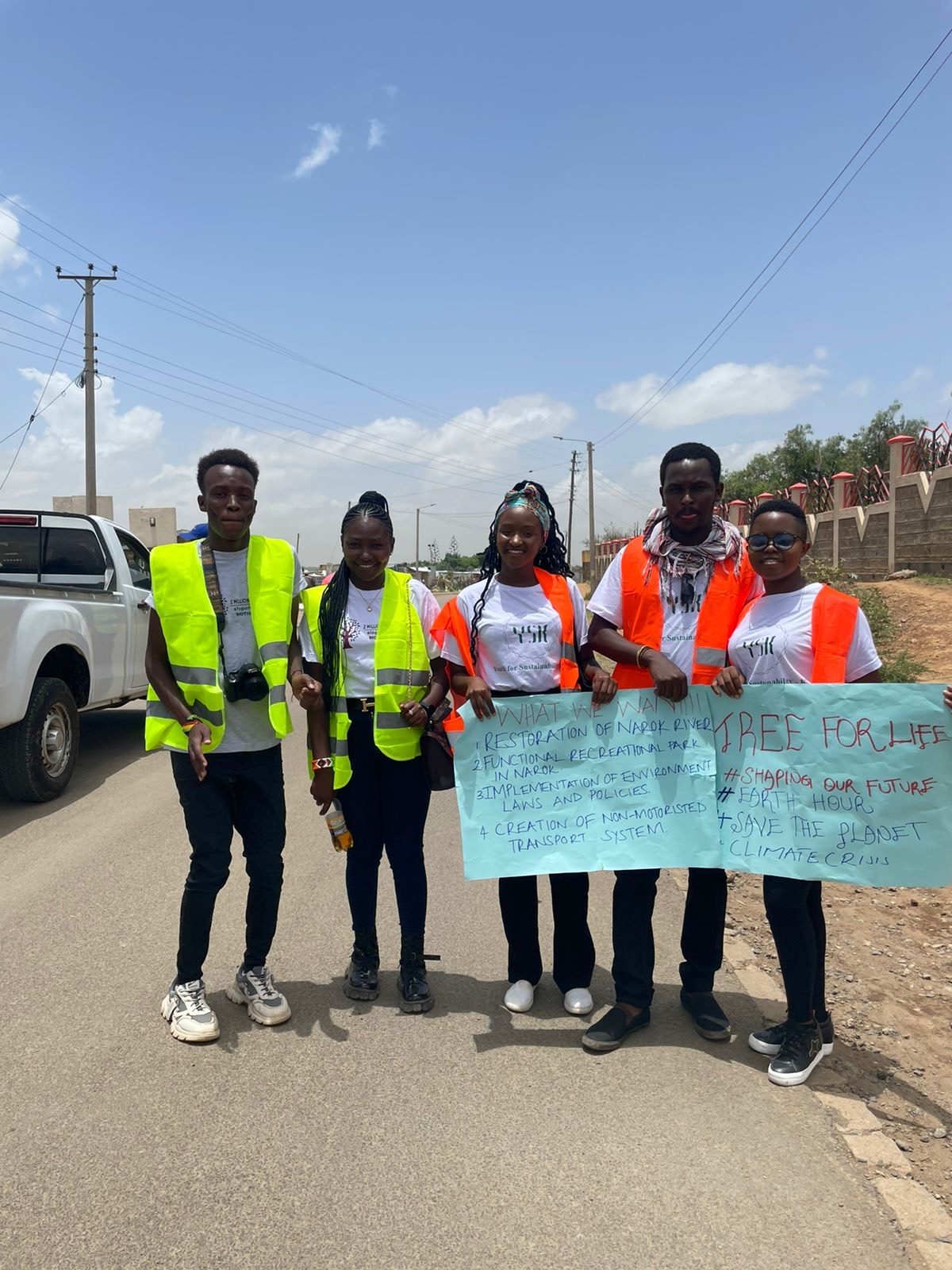
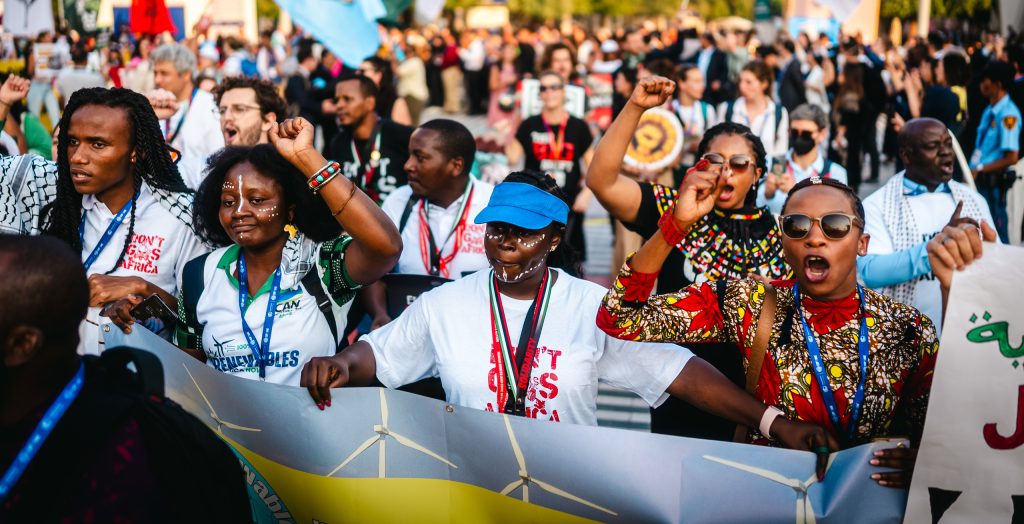
Climate change isn’t just a warming planet; it’s a crisis that throws the most vulnerable populations – women, youth, and marginalized communities – into the crosshairs. This vulnerability is particularly stark when considering the epic intersection of climate change and sexual and reproductive health and rights (SRHR). From extreme weather events disrupting access to healthcare to food insecurity impacting menstrual health, the consequences of climate change exacerbate existing challenges in accessing critical SRHR services.  Recognizing this critical connection, UNFPA took a bold step at COP 28 in Dubai: deliberately engaging young voices from vulnerable communities. This wasn’t just about token representation; it was about empowering future leaders and ensuring their perspectives shape the fight against climate change. Emmanuel Lekishon, a young climate expert from Kenya, echoed this sentiment, emphasizing the need for meaningful youth engagement in climate action programs and policies. He rightly pointed out that youth are “the most productive population” and their voices deserve to be heard, especially in discussions surrounding the loss and damage fund and addressing the disproportionate impact on young people. Marie Ochieng, a UNFPA Youth Champion from Nairobi, further highlighted the urgency of climate justice litigation and its link to SRHR. She powerfully stated that climate change has an “exponential” impact on youth, particularly around reproductive health and rights. Her call for prioritizing youth voices and representing their innovative solutions resonated deeply, challenging the traditional dominance of large corporations in these spaces. Ochieng’s experience at COP 28 exemplifies the importance of amplifying youth voices. As she eloquently expressed, “I feel honored that UNFPA enabled me to be exposed in the Cop28 space… I hope that the UNFCCC will push the decision makers to affirm that we risk inheriting the repercussions of their inaction.” Sharon Siamanta, a youth activist from Kenya, emphasized the transformative power of youth engagement. She sees her generation as “agents of change,” equipped to create inclusive solutions that address climate justice, social equity, and SRHR in a holistic manner. This underscores the essential role youth play in achieving the Sustainable Development Goals. While COP 28 saw significant youth participation, the journey doesn’t end there. UNFPA and UNDP remain committed to fostering a sense of civic engagement and collective action among young people in climate action. Ultimately, meaningful youth engagement isn’t just a goal; it’s a necessity. By empowering young voices and recognizing the intersectionality between climate change and SRHR, we pave the way for a more just, equitable, and sustainable future for all. COP 28 was a crucial step, but the journey towards a truly inclusive and effective climate response requires sustained investment in amplifying the voices of the changemakers: the youth. This article was originally published:  https://liberalnewsnetwork.com/climate-change-srhr-the-youth-led-revolution-unfpa-is-sparking/
Bodies, Rights, Planet: The Epic Intersection of Climate Change and SRHR in the UNFPA-Backed Youth Revolution Read More »

Climate Change Hits Women and Girls Hardest

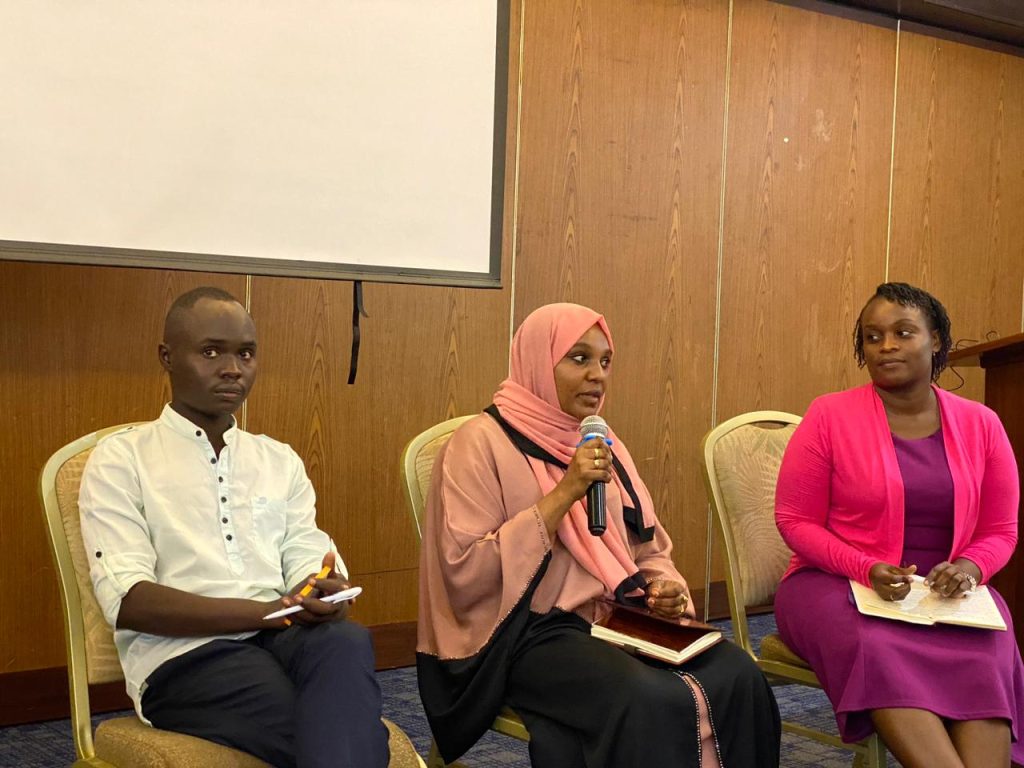
Mombasa, Kenya– A shadow falls across the promise of sustainable development as climate change disproportionately impacts women and girls. This stark reality was brought to light during a UNFPA-led training in Kenya. The training brought to light the correlation between climate change and sexual and reproductive health and rights (SRHR). “The research findings are compelling,” said Chiagozie Udeh, a representative from UNFPA Geneva, during the training. “They demonstrate a clear link between SRHR and climate change, with the specific intersectionality varying significantly across different countries. Climate change and SRHR are undeniably intertwined, with the specific challenges women face varying greatly depending on where they live.” This “intersectionality,” as Udeh termed it, was further emphasized by Emmanuel Lekishon, one of the Directors of the Centre for Climate Action, who pointed to the plight of young girls and women in Narok County, Kenya. “Girls and young women, particularly those from Narok County face unique challenges due to the interplay of climate change and gender inequality,” noted Lekishon while presenting the disproportionality of climate shocks. Additionally, Dr. Samwel Wakibi a public health researcher and regional expert from the University of Nairobi highlighted that the recent climate shocks in Kenya have made it challenging for women to access reproductive health services.Dr. Wakibi said that pre-existing gender norms coupled with unfavorable climate change further tilted the  socio-economic marginalization imbalances  while exacerbating gender inequalities. Speaking on the same issue, Angela Baschiera said, “Women are disproportionately impacted by climate change. There is a rich body of resources that women have poorer access to resources that could help with the adaptation such as land title, irrigation, and financial assets.” Currently, only 37% of 160 countries recognize that women and men have equal rights to own and control land. The most impacted population should be the cost involved in creating solutions. The training further underscored the critical role of gender equality in achieving the vision of human-centered sustainable development outlined by the International Conference on Population and Development Programme of Action (ICPD PoA). The training also identified specific “hotspots” within Kenya, areas most vulnerable to the combined threats of climate change and gender inequality. Armed with this knowledge, future efforts to adapt could be designed to ensure no woman or girl is left behind in the fight for a brighter tomorrow. Published  by Liberal News Network

Climate Change Hits Women and Girls Hardest Read More »

UNFPA Mombasa

MOMBASA, Kenya – In the face of unprecedented climate upheaval, Kenya finds herself at a crossroads. The East African nation, long a beacon of stability, is confronting the harsh realities of a rapidly changing environment. Driven by a sense of urgency, the United Nations Population Fund (UNFPA) Kenya has taken a bold step and has brought together a diverse group of stakeholders for a critical summit. This meeting of experts, policymakers, and community leaders aims to chart a course for Kenya’s future, navigating the treacherous terrain of climate change. The impact of climate change disrupts development, households, and livelihood, therefore calling for climate adaptation measures need to be included in SRHR. UNFPA champions access to SRHR services and commodities. Climate change has negatively impacted maternal nutrition and access to water by increasing gender inequalities. This workshop has been an opportunity for different sectors to come together and analyze how climate change has disrupted it, and how best they can work together in collective solutions in mitigation and adaptation. It has also been a safe space for discussing the importance of data in developing resilient health in the aspect of climate change impacts on health and gender justice. Humanitarian response agencies need to address the risk information and reporting gap. The experts have underscored the effect that climate change has caused to the lives of people majorly affecting women and girls. This clearly shows the interlink between climate change, health, SRHR, and Gender-Based Violence. UNFPA is very keen on addressing Gender Based Violence more so in humanitarian crises, where women and children are majorly affected, it’s doing what is possible including involving international climate change experts to train youths, government departments, and civil societies to have sufficient knowledge on climate change impacts and possible solutions that can be done. There is an importance in building resilient health in societies, as land degradation, floods, and droughts bring in more malaria cases, and water-borne diseases and disrupt the medicine transportation system, which fails to reach to last mine deliveries. For climate change impacts and SRHR challenges to be addressed, there is an importance in involving youths in the delivery. Youths be treated as partners not just to be spectators of the process.  

UNFPA Mombasa Read More »