Imali Ngusale

Climate Change: A Silent Threat to Our Chicken Supply

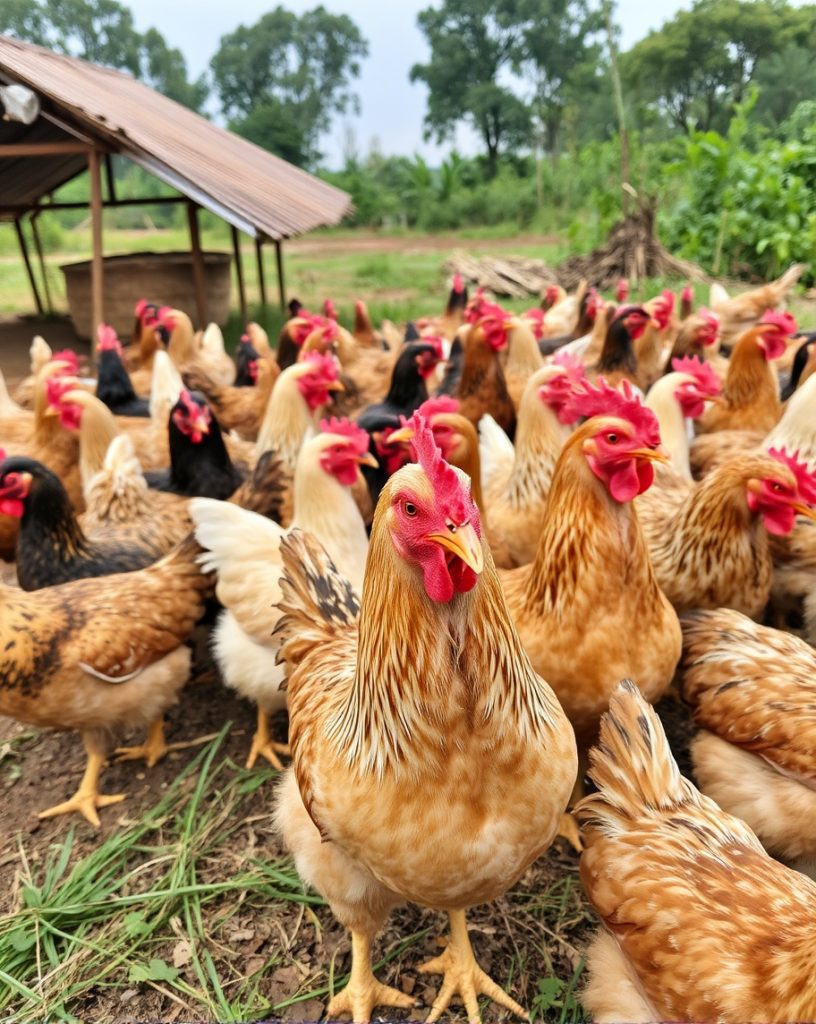
Climate change, a multifaceted global challenge, is not only reshaping weather patterns and elevating sea levels but also posing a significant threat to global food security. Among the various consequences of this phenomenon, one particularly alarming issue is the heightened risk of antimicrobial resistance (AMR) in chickens, a primary source of protein for many people around the world. This growing crisis has broad implications, not only for agriculture but also for human health.   AMR is currently recognized as one of the top global public health threats. According to the WHO Global Antimicrobial Resistance and Use Surveillance System (GLASS), AMR was directly responsible for 1.27 million global deaths in 2019 and contributed to 4.95 million deaths, pegged on recent estimates. The misuse and overuse of antimicrobials in humans, animals, and plants are the primary drivers behind the development of drug-resistant pathogens. This misuse is especially prevalent in chicken farming, where antibiotics are frequently administered not only to treat infections but also as a preventive measure and growth promoter.   It is worth noting that chicken producers frequently rely on antibiotics such as colistin sulfate to protect their flocks from infections and ensure optimal growth rates. According to a study published by  Frontiers in Microbiology, in 2021  over 70% of antibiotics worldwide are used in animal agriculture, with a substantial portion administered to chickens. These antibiotics are often used as a preventive measure to reduce the risk of disease outbreaks in densely populated chicken farms. However, the excessive and indiscriminate use of antibiotics in chicken farming has led to the rapid emergence of AMR. This is particularly concerning as resistant bacterial strains have been found to thrive in environments influenced by climate change, such as warmer and more humid conditions, as outlined in a 2019 report by the World Health Organization (WHO).   Rising global temperatures and an increase in extreme weather events, such as heatwaves and floods, can severely disrupt chicken farming practices. Notably, chickens are highly susceptible to environmental stress, and when exposed to extreme heat or other adverse conditions, they become more vulnerable to diseases. To combat this increased susceptibility, farmers often resort to administering higher doses of antibiotics to keep their flocks healthy. Additionally, climate change can also affect the quality and availability of feed resources, leading to nutritional deficiencies that further compromise the health and resilience of chickens. The combination of these factors creates a cycle in which the reliance on antibiotics becomes increasingly entrenched, thereby promoting the spread of AMR. The repercussions of AMR in chickens extend far beyond the agricultural sector. Studies have shown that when contaminated chicken products are consumed by humans, AMR bacteria can be transmitted, leading to infections that are increasingly challenging to treat. Research published in The Lancet Infectious Diseases indicates that drug-resistant infections currently cause at least 700,000 deaths globally each year, with the consumption of antibiotic-laden animal products being a significant contributing factor. This poses a grave threat to public health, especially for individuals with weakened immune systems or those suffering from chronic ailments. The spread of AMR bacteria can result in longer illness durations, increased medical costs, and a higher mortality rate. In extreme cases, it may even render some bacterial infections untreatable with existing antibiotics, ushering in a potential post-antibiotic era where minor infections could once again become life-threatening. To address the escalating threat of AMR in chicken production it is imperative to adopt more sustainable and responsible farming practices. Studies suggest that reducing antibiotic use and implementing rigorous biosecurity measures can significantly lower the incidence of AMR in chicken farms. Additionally, promoting vaccination programs to enhance the natural immunity of chickens is a viable strategy, as evidenced by research published in the Journal of Applied Poultry Research, which demonstrated a marked decrease in disease occurrence in vaccinated flocks. Moreover, increased investment in research and development is crucial to explore alternative strategies for disease prevention and treatment, such as the use of probiotics, prebiotics, and other non-antibiotic interventions that have shown promise in reducing the reliance on antibiotics in livestock production. Climate change is a complex issue with far-reaching implications that cut across various sectors. By understanding the risks posed to our chicken supply and the interconnected nature of animal and public health, we can take proactive steps to mitigate the impact of AMR. A concerted effort from policymakers, the agricultural sector, and the global health community is required to ensure a sustainable food supply and to safeguard public health for future generations. References Van Boeckel, T. P., et al. (2021). Antibiotic Resistance in Livestock: A Major Public Health Issue. Frontiers in Microbiology. World Health Organization (2019). Antimicrobial Resistance: Global Report on Surveillance. Thornton, P. K. (2019). Climate Change and Food Security. Annual Review of Environment and Resources. Aarestrup, F. M. (2019). Sustainable Agriculture and AMR Control in Livestock. The Lancet. Murray, C. J. L., et al. (2022). Global Burden of Antimicrobial Resistance in 2019: A Systematic Analysis. The Lancet. World Health Organization (2019). Climate Change and Antimicrobial Resistance. Zhang, L., et al. (2021). Effectiveness of Vaccination Programs in Reducing AMR in Poultry. Journal of Applied Poultry Research. Gaggìa, F., et al. (2020). Probiotics and Prebiotics in Animal Nutrition: Effects on the Livestock Gut Microbiota. Frontiers in Microbiology. By Imali Ngusale and Benard Maswach

Climate Change: A Silent Threat to Our Chicken Supply Read More »

A New Partnership for Climate Action, Health, and Gender Justice

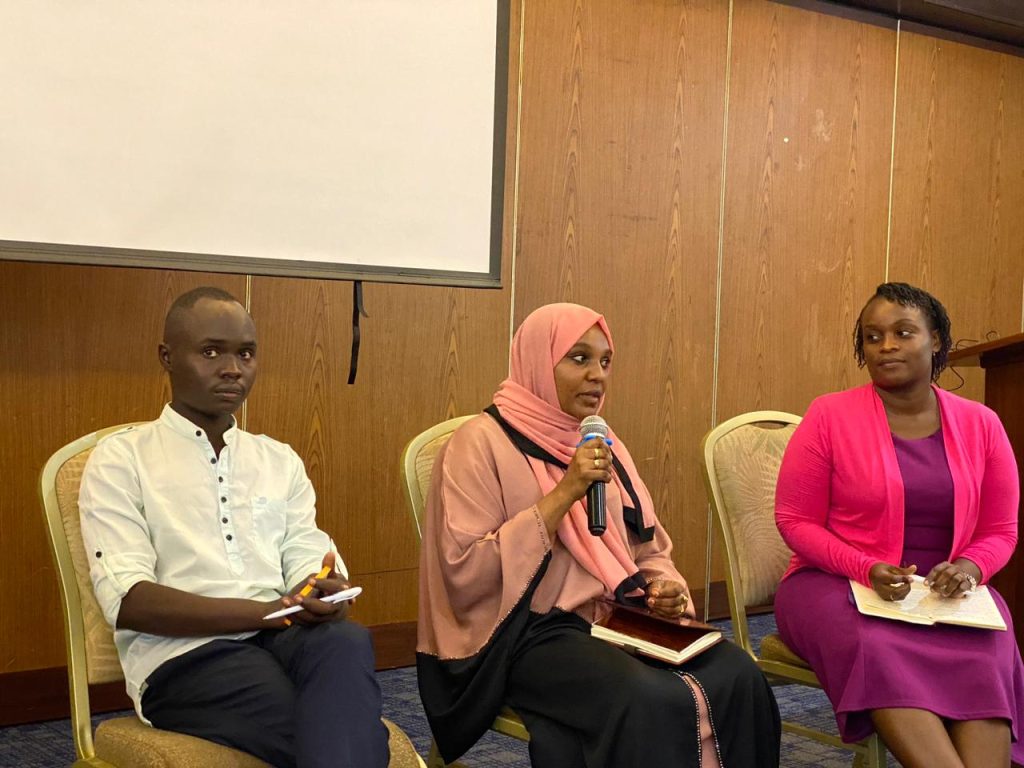
Today marked a significant milestone as representatives from the YALI Alumni Chapter of Kenya and the African Center for Health, Climate & Gender Justice Alliance (ACHCGA) gathered to discuss potential collaborations. Both organizations are deeply committed to addressing the pressing global challenges outlined in the United Nations Sustainable Development Goals (SDGs). The meeting held today sparked vibrant discussions on how these dynamic entities can leverage their collective strengths to advance climate action, health, and gender equity across the African continent. For over a decade, the YALI Alumni Chapter of Kenya has been at the forefront of driving youth-led initiatives. ACHCGA is pleased to be a pioneering voice in advancing climate justice, health equity, and gender rights in collaboration with YALI. Key areas of focus included climate action and its intersection with gender and health, and the importance of youth leadership in advancing the SDGs. Both organizations envision a future where African communities can not only withstand climate shocks but thrive in an environment of inclusivity and sustainability. The meeting concluded with an agreement to build strong partnerships with government institutions, civil society, and international stakeholders. This collaboration is a testament to the power of collective action and the role that both youth and civil society can play in shaping a more just and equitable future for all.

A New Partnership for Climate Action, Health, and Gender Justice Read More »

Bodies, Rights, Planet: The Epic Intersection of Climate Change and SRHR in the UNFPA-Backed Youth Revolution

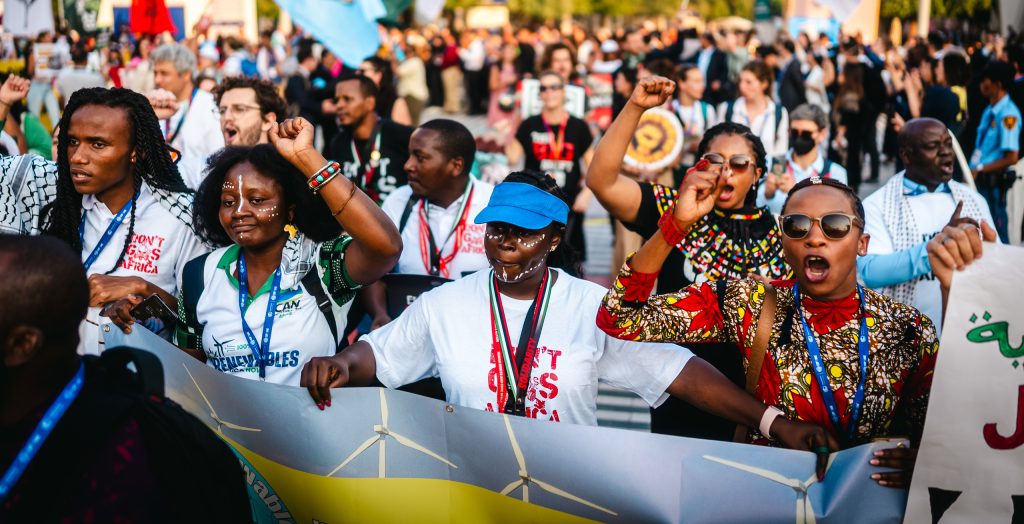
Climate change isn’t just a warming planet; it’s a crisis that throws the most vulnerable populations – women, youth, and marginalized communities – into the crosshairs. This vulnerability is particularly stark when considering the epic intersection of climate change and sexual and reproductive health and rights (SRHR). From extreme weather events disrupting access to healthcare to food insecurity impacting menstrual health, the consequences of climate change exacerbate existing challenges in accessing critical SRHR services.  Recognizing this critical connection, UNFPA took a bold step at COP 28 in Dubai: deliberately engaging young voices from vulnerable communities. This wasn’t just about token representation; it was about empowering future leaders and ensuring their perspectives shape the fight against climate change. Emmanuel Lekishon, a young climate expert from Kenya, echoed this sentiment, emphasizing the need for meaningful youth engagement in climate action programs and policies. He rightly pointed out that youth are “the most productive population” and their voices deserve to be heard, especially in discussions surrounding the loss and damage fund and addressing the disproportionate impact on young people. Marie Ochieng, a UNFPA Youth Champion from Nairobi, further highlighted the urgency of climate justice litigation and its link to SRHR. She powerfully stated that climate change has an “exponential” impact on youth, particularly around reproductive health and rights. Her call for prioritizing youth voices and representing their innovative solutions resonated deeply, challenging the traditional dominance of large corporations in these spaces. Ochieng’s experience at COP 28 exemplifies the importance of amplifying youth voices. As she eloquently expressed, “I feel honored that UNFPA enabled me to be exposed in the Cop28 space… I hope that the UNFCCC will push the decision makers to affirm that we risk inheriting the repercussions of their inaction.” Sharon Siamanta, a youth activist from Kenya, emphasized the transformative power of youth engagement. She sees her generation as “agents of change,” equipped to create inclusive solutions that address climate justice, social equity, and SRHR in a holistic manner. This underscores the essential role youth play in achieving the Sustainable Development Goals. While COP 28 saw significant youth participation, the journey doesn’t end there. UNFPA and UNDP remain committed to fostering a sense of civic engagement and collective action among young people in climate action. Ultimately, meaningful youth engagement isn’t just a goal; it’s a necessity. By empowering young voices and recognizing the intersectionality between climate change and SRHR, we pave the way for a more just, equitable, and sustainable future for all. COP 28 was a crucial step, but the journey towards a truly inclusive and effective climate response requires sustained investment in amplifying the voices of the changemakers: the youth. This article was originally published:  https://liberalnewsnetwork.com/climate-change-srhr-the-youth-led-revolution-unfpa-is-sparking/

Bodies, Rights, Planet: The Epic Intersection of Climate Change and SRHR in the UNFPA-Backed Youth Revolution Read More »

Climate Change Hits Women and Girls Hardest

Mombasa, Kenya– A shadow falls across the promise of sustainable development as climate change disproportionately impacts women and girls. This stark reality was brought to light during a UNFPA-led training in Kenya. The training brought to light the correlation between climate change and sexual and reproductive health and rights (SRHR). “The research findings are compelling,” said Chiagozie Udeh, a representative from UNFPA Geneva, during the training. “They demonstrate a clear link between SRHR and climate change, with the specific intersectionality varying significantly across different countries. Climate change and SRHR are undeniably intertwined, with the specific challenges women face varying greatly depending on where they live.” This “intersectionality,” as Udeh termed it, was further emphasized by Emmanuel Lekishon, one of the Directors of the Centre for Climate Action, who pointed to the plight of young girls and women in Narok County, Kenya. “Girls and young women, particularly those from Narok County face unique challenges due to the interplay of climate change and gender inequality,” noted Lekishon while presenting the disproportionality of climate shocks. Additionally, Dr. Samwel Wakibi a public health researcher and regional expert from the University of Nairobi highlighted that the recent climate shocks in Kenya have made it challenging for women to access reproductive health services.Dr. Wakibi said that pre-existing gender norms coupled with unfavorable climate change further tilted the  socio-economic marginalization imbalances  while exacerbating gender inequalities. Speaking on the same issue, Angela Baschiera said, “Women are disproportionately impacted by climate change. There is a rich body of resources that women have poorer access to resources that could help with the adaptation such as land title, irrigation, and financial assets.” Currently, only 37% of 160 countries recognize that women and men have equal rights to own and control land. The most impacted population should be the cost involved in creating solutions. The training further underscored the critical role of gender equality in achieving the vision of human-centered sustainable development outlined by the International Conference on Population and Development Programme of Action (ICPD PoA). The training also identified specific “hotspots” within Kenya, areas most vulnerable to the combined threats of climate change and gender inequality. Armed with this knowledge, future efforts to adapt could be designed to ensure no woman or girl is left behind in the fight for a brighter tomorrow. Published  by Liberal News Network

Climate Change Hits Women and Girls Hardest Read More »