Imali Ngusale

From Brasília to Belém: Why COP30 Must Center Rights, Resilience & Reproductive Justice in the Climate AgendaGlobal Sympossium ahead of COP 30

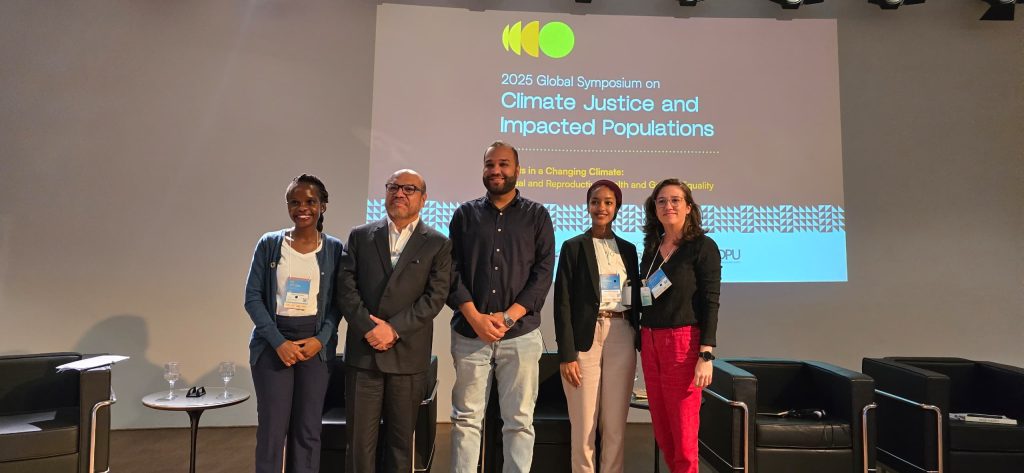
Brasília, Brazil — From July 28 to 31, the 2025 Global Symposium on Climate Justice and Impacted Populations convened in Brazil’s capital, setting the stage for urgent dialogue ahead of COP30 in Belém. In attendance were government delegates, civil society representatives, economists, and climate and gender experts from the Bahamas, Bangladesh, Brazil, Colombia, Ethiopia, India, Italy, Kenya, Malawi, Nigeria, Panama, Philippines, Sierra Leone, South Africa, South Sudan, Sri Lanka, the United States, Zimbabwe, and beyond. Some netizens zoomed into the symposium. Imali Ngusale the lead strategist at the African Center for Health, Climate & Gender Justice Alliance (ACHCGA)  moderated a session on Social Protection, Alternative Livelihoods, and Climate Resilience. Speaking during the session, Hugo Rolando Nopo Aguilar, Senior Economist at the World Bank, emphasized the urgency of the moment:, “Brazil is one of the countries most prone to natural disasters,” he noted, “and the time to strengthen resilience is now.”Accordingly, Mohamed Ageez, Youth Participation Officer, UNFPA ASRO, stated that climate change remains the most significant environmental challenge of our era.” Ageez admitted that climate change disproportionately impacts those least responsible for it, citing that women and girls, particularly in low-income nations, face heightened risks from extreme weather events.” Accordingly, Augustus Lito M. Narag, EnP, Officer In Charge, Director for Mindanao Affairs and Concurrent Director for Data Management and Systems, Pantawid Pamilyang Pilipino Program (4Ps) on Conditional Cash Transfer in the Philippines, made a presentation that revealed that gender-based violence is exacerbated by climate change. Narag, also said that climate change disrupts access to sexual and reproductive health services and deepens economic inequities. Markedly, participants from Brasília, policymakers, climate scientists, health experts, youth leaders, and civil society activists who attended the session admitted that climate action needs to prioritize human rights and resilience. While addressing a panel on Social Protection, Thais Lemos Ribeiro, Coordinator of Education in Human Rights and the Environment at the Ministry of Human Rights and Citizenship, said that “Climate change is not just an environmental crisis, it’s a human rights crisis.” Ribeiro insisted that while many discussions focus mainly on combating climate change, the dignity, health, and choices of millions, especially women and young people, need to be prioritized.” Notably, Bothaina Eltigani, a PhD student at Oxford University, said that “We are responsible for ensuring their voices drive the solutions.” Eltigani underscored that climate solutions should not just be regurgitated in summits but implemented in grassroots places. The symposium was a strategic milestone on the road to COP30, which also comes three decades after the landmark International Conference on Population and Development (ICPD) and the UN Framework Convention on Climate Change. The symposium builds on the 2030 Agenda for Sustainable Development, emphasizing that climate justice must uphold sexual and reproductive health, combat gender-based violence, and dismantle harmful practices. Whether all the aforementioned will explore gaps in research, showcase rights-based adaptation strategies, and push for stronger partnerships to finance climate-resilient health systems will only be told in the sands of time.

From Brasília to Belém: Why COP30 Must Center Rights, Resilience & Reproductive Justice in the Climate AgendaGlobal Sympossium ahead of COP 30 Read More »

A Youthful Generation Leading for Climate Finance in Kenya

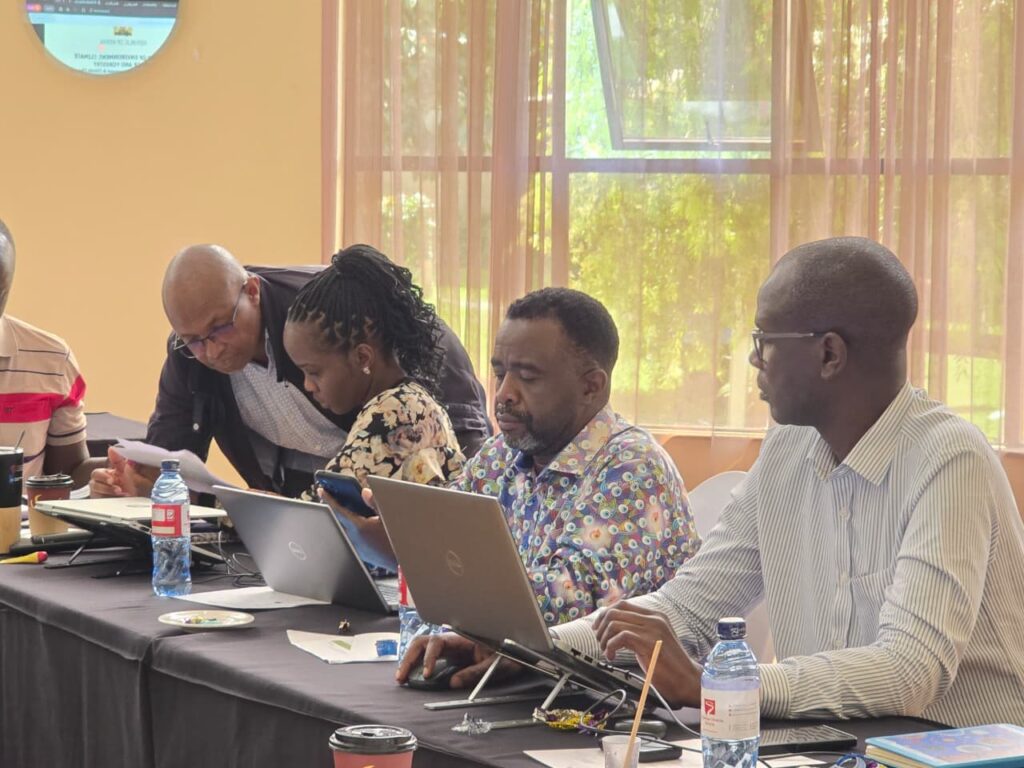
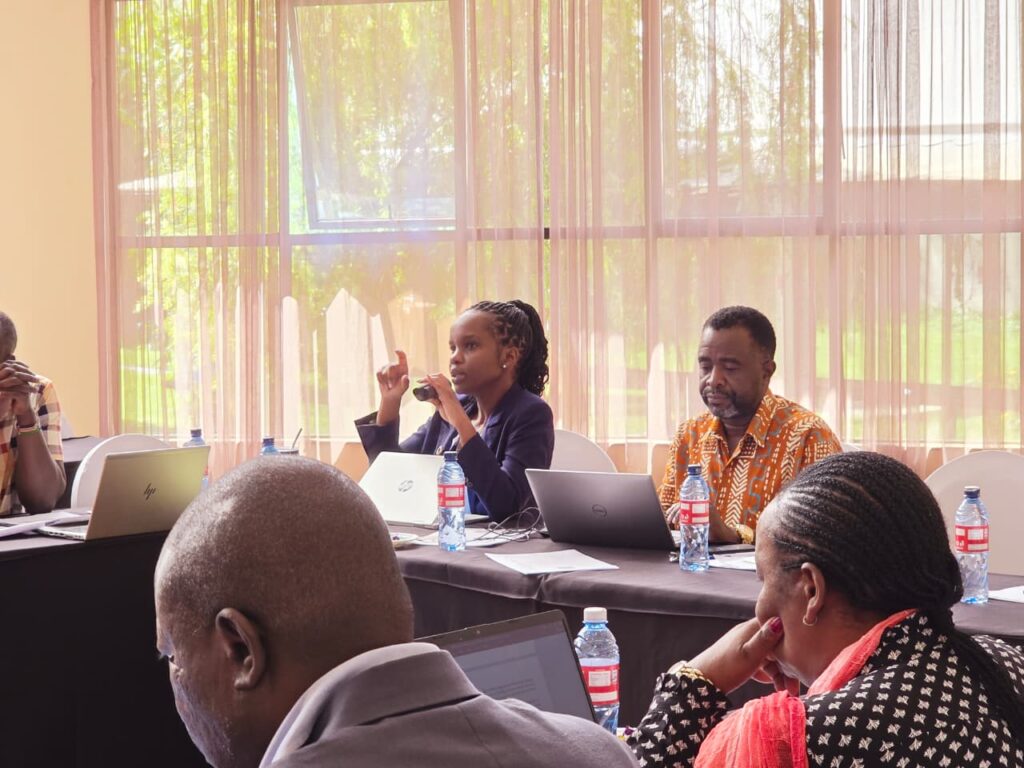
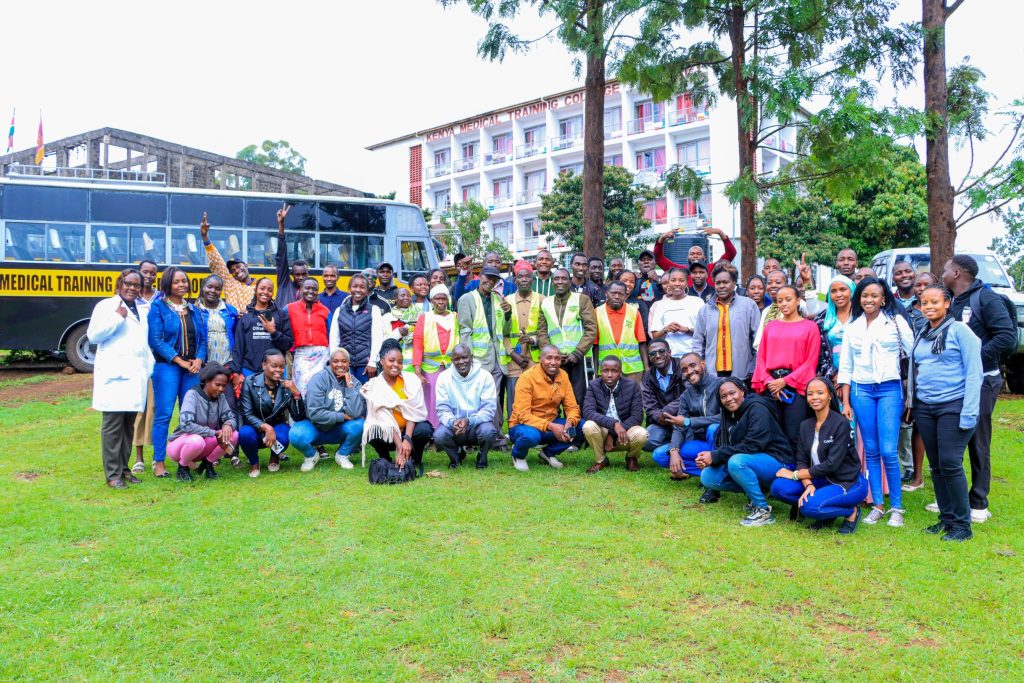
A wave of youth-led climate ambition swept through the Northern Rift this June as the Ministry of Environment, Climate Change and Forestry hosted the NOREB (Northern Rift Economic Bloc) Youth Climate Finance and Proposal Development Workshop from 2nd to 6th June 2025. The highly anticipated event was officially opened by Miss Ressa Kombi from the Ministry of Environment, Climate Change and Forestry. During her keynote address, Kombi underscored the urgency of youth and women participation in the climate agenda. She emphasized that young people make up 80% of Kenya’s population and must be included in climate action. She also spotlighted the National Climate Change Action Plan (NCCAP) as a gateway for youth engagement through targeted training, workshops, and education. The landmark workshop brought together young climate leaders from eight counties, Baringo, West Pokot, Nandi, Uasin Gishu, Trans Nzoia, Samburu, Turkana, and Elgeyo Marakwet, aimed at equipping them with the technical skills to develop bankable climate proposals and navigate the climate finance landscape. As the climate crisis escalates, the event struck a timely chord by positioning youth not as future leaders, but as present- day agents of transformative change. Speaking during the convening James Thonjo, the Youth Coordinator from Ministry of Environment, Climate Change and Forestry said, “We are devoted to ensuring that the youth are engaged in climate finance discussions. It is only through understanding financing that they can be prepared to make significant change.” Accordingly, the youth consented to the same view, affirming their readiness to lead in shaping Kenya’s climate future. Throughout the NOREB Youth Climate Finance and Proposal Development Workshop, participants echoed the call for meaningful youth engagement in climate decision-making and financing processes. They expressed a shared understanding that their generation holds both the greatest stake and the greatest potential to drive climate solutions.

A Youthful Generation Leading for Climate Finance in Kenya Read More »

Emmanuel Lekishon Leteipa: A Legacy of Vision, Leadership, and Impact

In the corridors of climate justice advocacy, regenerative agriculture, and community development, the name Emmanuel Lekishon Leteipa will forever resonate as a beacon of hope, resilience, and transformative leadership. His untimely departure has left a painful void, but his legacy remains a powerful testament to the change one individual can ignite. A Visionary Ahead of His Time Emmanuel was not just a leader, he was a force of nature undaunted, passionate, and deeply committed to the causes that defined his life. As a youthful climate justice advocate, he championed youth inclusion in climate change, gender justice, and equitable health policies, long before these became mainstream priorities. He understood that the voices of young people were not just important but necessary in shaping a sustainable future. His advocacy was never performative; it was rooted in action, engagement, and policy-driven solutions. A Leader Who Built Foundations for Change With a strong background in financial management and organizational leadership, Emmanuel was instrumental in steering key decisions on finance, budgeting, and fundraising. He had an unwavering commitment to ensuring financial integrity and sustainability, understanding that without strong financial structures, even the most noble visions could falter. As a co-founder of the African Center for Health, Climate & Gender Justice Alliance (ACHCGA) alongside Imali Ngusale, Emmanuel laid the groundwork for an institution that is set to outlive him and continue shaping policies, empowering communities, and advocating for justice. He was not only a leader but a mentor, guiding new staff and fostering a culture of excellence and dedication within ACHCGA. A Champion for Sustainable Livelihoods Emmanuel’s work was deeply committed to seeing communities thrive in a world that often marginalizes them. He believed that sustainability was not just an environmental concern but a socioeconomic imperative. Whether it was through advocating for climate-resilient agriculture, promoting equitable access to healthcare, or ensuring gender justice in policymaking, Emmanuel’s vision always centered around the people most affected by these challenges. More Than a Leader—A Friend, A Father, A Legacy Beyond his professional achievements, Emmanuel was a warm, compassionate, and deeply principled individual. He was a father, a friend, and a mentor to many. His kindness, wisdom, and unrelenting belief in the power of collective action will be sorely missed but never forgotten. In remembering Emmanuel, we are reminded that true leadership is not about titles but about impact. His work, his vision, and his unyielding commitment to justice will continue to inspire generations to come. Rest in power, Emmanuel. Your legacy lives on! If you would like to contribute to his send-off please send your support to * +254798944654.*Dominic Lekishon Nampaso.

Emmanuel Lekishon Leteipa: A Legacy of Vision, Leadership, and Impact Read More »

ACHCGA’s Impact on Nationally Determined Contributions (NDCs)

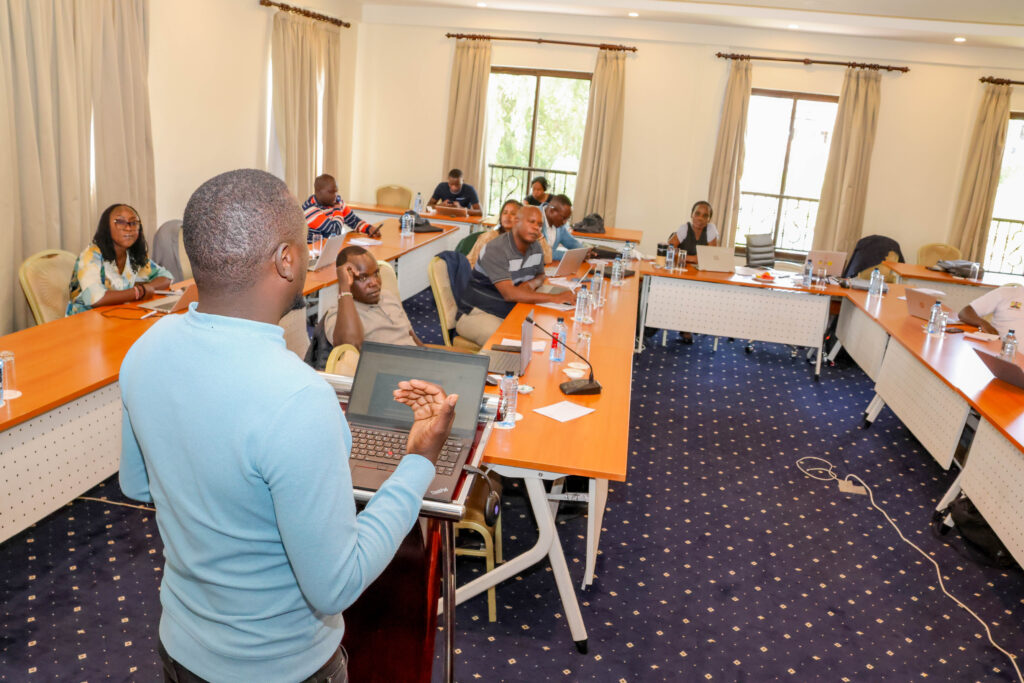
At the sunset of 2024, the African Center for Health, Climate & Gender Justice Alliance (ACHCGA), in close collaboration with UNDP, UNFPA, and the Ministry of Environment and Forestry, took a bold step in advancing youth participation in climate action. Through a strategic initiative focused on Nationally Determined Contributions (NDCs), ACHCGA contributed to a transformative workshop held in the Lake Victoria region for youth climate leaders. Additionally, ACHCGA highlighted the youth and children-specific targets for Kenya’s new Nationally Determined Contribution and Loss and Damage Fund. The workshop served as a platform for knowledge exchange, solution-oriented discussions, and capacity-building in climate action planning. Speaking during the NDC review session in Kisumu, James Thonjo, Senior Government Official from the Ministry of Environment and Forestry, said, “The workshop reinforced the critical role that young people, including myself, play in advancing climate solutions. The connections I made and the skills I acquired will serve as catalysts for more collaborative and effective youth-led climate action.” James insisted that, “Including youth and partners such as ACHCGA is critical to have diversity.” He also stated, “It is great that ACHCGA advocated to have health as one of the priorities in the NDC.” Accordingly, Brian Mounde, a Senior Climate Change Officer from the Ministry of Environment and Forestry, stated, “Youth engagement on NDCs is critical because it ensures the government fulfills the targets of the NCCAP.” Mounde also stated that the Ministry of Environment and Forestry remains committed to strengthening youth participation in climate action to ensure inclusive and effective policy implementation. “I connected with like-minded young climate leaders from youth-led institutions like ACHCGA and I hope that the youth have invaluable insights into climate change policy frameworks.” Additionally, Rosebell Barbara from ACHCGA said, “Attending the Youth Climate Finance and NDC 2.0 Engagement Workshop was an incredible opportunity. I connected with like-minded young climate leaders, gained invaluable insights into climate finance, and developed practical skills to design bankable proposals for climate projects.” The NDC review workshop in Kenya was timely because it served as a platform for knowledge exchange, solution-oriented discussions, and capacity-building in climate action planning. It also underscored the power of youth-driven innovation, with participants presenting groundbreaking local solutions, including: Beyond these innovations, the workshop provided participants with a deep understanding of critical climate finance concepts, including: The Ministry of Environment and Forestry’s unwavering commitment to empowering young climate leaders and support from UNFPA, UNICEF, and UNDP made meaningful youth engagement in NDCs possible. This collaboration ensures that youth are not just beneficiaries of climate policies but active contributors to shaping a sustainable and resilient future.

ACHCGA’s Impact on Nationally Determined Contributions (NDCs) Read More »

Gender Justice Under Trial

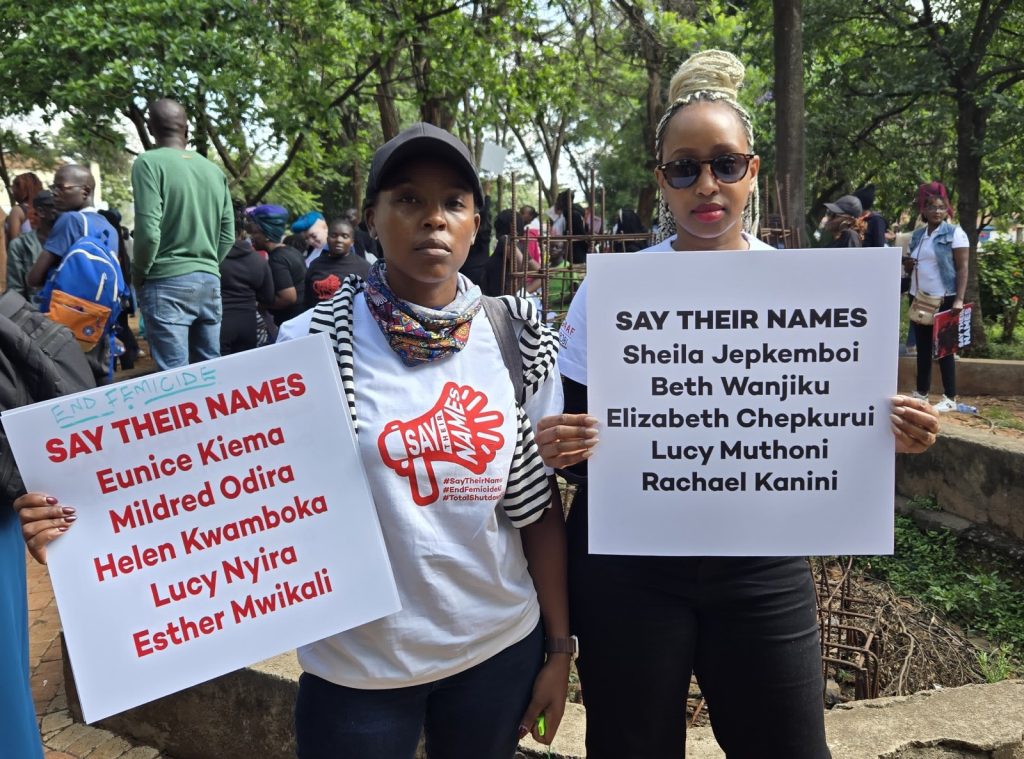
On the final day of the 16 Days of Activism Against Gender-Based Violence,  Nairobi became the epicenter of a shocking gender injustice. What should have been a powerful display of solidarity and hope turned into chaos as teargas engulfed the streets, dispersing hundreds of feminists protesting against femicide. A march meant to amplify calls for justice devolved into a scene of tears, fear, and unyielding resilience as gender activists faced a brutal police crackdown.   The demonstrators, armed with nothing but whistles and their voices, marched through Nairobi chanting, “Stop killing women!” Their rally, an urgent plea for justice, gathered momentum before being violently interrupted. Tear gas filled the air as police officers repeatedly broke up the crowds, making several arrests in the process.   Among those detained was Irungu Houghton, the Executive Director of Amnesty International Kenya, a move that sent ripples across the global human rights community. Amnesty International and the Law Society of Kenya swiftly issued a joint statement condemning the arrests and police brutality, calling the crackdown a violation of fundamental rights. They described the incident as a “chilling message” to peaceful protesters advocating for gender justice.   Esther Nyakiri, a feminist activist and board member of the African Center for Health, Climate, and Gender Justice Alliance (ACHCGA), was among the protesters. Reflecting on the violence, she lamented, “It is heartbreaking that instead of supporting us, the police use violence to suppress our voices.”   Nyakiri also emphasized the movement’s broader implications, stating, “Our fight is not just for women; it is for the dignity and future of this nation.” Her powerful words underscored the urgency of increased protection of women in Kenya and beyond.   The demonstration aimed to shed light on the grim realities of gender-based violence and femicide, with slogans such as “Our bodies are not battlegrounds” and “Justice for survivors now” reflecting the collective anguish and determination of the movement.   A report published in 2022 by the United Nations Office on Drugs and Crime (UNODC) and UN Women painted a dire picture of the state of gender justice in Africa. According to the report, Africa has the second-highest rate of femicide globally, with an estimated 22,000 gender-related killings of women recorded that year alone. Most of these killings were perpetrated by current or former intimate partners, marking the devastating culmination of persistent gender-based violence.   As Kenyan feminists continue to push for gender justice, their resolve remains undeterred despite the dual threats of societal violence and police brutality. The crackdown in Nairobi is a sobering reminder of the systemic challenges women face—not just from perpetrators of violence but also from state actors who ought to protect them.   Whether the Kenyan government will respond to this grievous assault on fundamental rights remains uncertain. What is clear, however, is that the fight for gender justice is far from over, and the courage of those who demand it will continue to inspire change.

Gender Justice Under Trial Read More »

COP29: A Missed Opportunity for Climate Justice

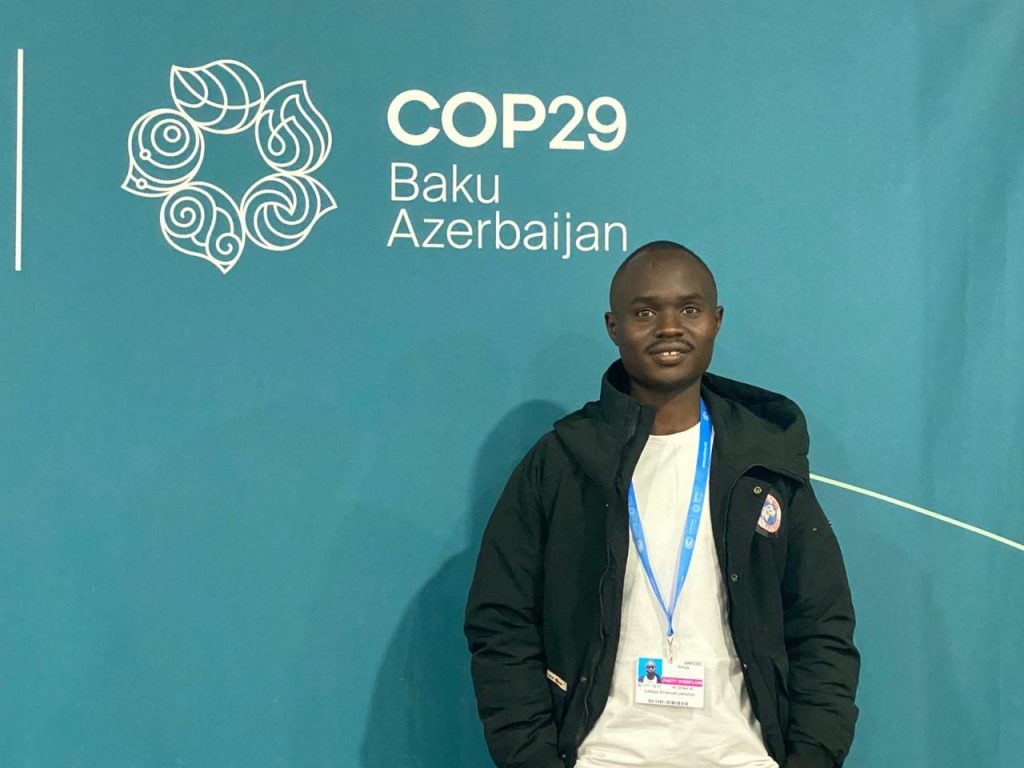
  The 29th United Nations Climate Change Conference (COP29) in Baku, Azerbaijan, unfolded as a harsh reminder of the global North’s persistent neglect of the Global South’s demands for climate equity and justice. While vulnerable communities from the global south face the devastating consequences of climate inaction, the architects of the crisis developed nations continue to prioritize profits over people. At COP29, the African Center for Health, Climate & Gender Justice Alliance (ACHCGA) joined the Women and Gender Constituency and global advocates in demanding urgent action to cap global warming at 1.5°C, unlock meaningful climate finance for loss and damage, and ensure feminist climate justice. Instead, we encountered dangerous distractions, empty promises, and a betrayal of trust.   Small Wins Amidst Broken Promises Carbon Markets: Progress was made in operationalizing Article 6 of the Paris Agreement, particularly mechanisms to improve transparency and accessibility. However, loopholes remain, threatening to undermine the equitable distribution of carbon credits. Climate Finance: A new climate finance deal was announced, aiming for $300 billion annually by 2035. While a step forward the inclusion of private financing sparked concerns about accountability and the marginalization of vulnerable communities.   Disappointments That Can’t Be Ignored Loss and Damage Fund: Rule 16 outcomes fell short of expectations, with major emitters resisting accountability for their historical emissions. Fossil Fuel Phase-out: Despite dire warnings from scientists, weak language dominated the discussions on fossil fuel phase-outs, leaving the door open for continued reliance on dirty energy. Climate Finance Shortfall: The promised $100 billion annual commitment remains unfulfilled, compounding the Global South’s struggle to address loss and damage. UNEP and IPCC reports underline the catastrophic consequences of this inaction, yet no significant steps were taken.   A Bleak Future Without Bold Action The lack of urgency and ambition at COP29 casts a shadow over our collective future. Climate finance continues to fall short, the fossil fuel industry remains unchecked, and the voices of marginalized communities are drowned out by the rhetoric of green capitalism. But hope is not lost. ACHCGA remains steadfast in pushing for climate and gender justice. At COP29, we witnessed the undeniable power of youth, women, and indigenous communities coming together to demand meaningful action.   What’s Next? Building a Just Future COP29 may have betrayed our trust, but it also reignited our resolve. We commit to advocating for a future where climate justice is inseparable from gender justice. 💪🌿 Click here https://x.com/ACHCGJA_Africa/status/1860584558590116066 to read our social media posts in one thread #ClimateJustice ⚖️ #COP29 #FeministClimateJustice  

COP29: A Missed Opportunity for Climate Justice Read More »

Climate Change: A Silent Threat to Our Chicken Supply

Climate change, a multifaceted global challenge, is not only reshaping weather patterns and elevating sea levels but also posing a significant threat to global food security. Among the various consequences of this phenomenon, one particularly alarming issue is the heightened risk of antimicrobial resistance (AMR) in chickens, a primary source of protein for many people around the world. This growing crisis has broad implications, not only for agriculture but also for human health.   AMR is currently recognized as one of the top global public health threats. According to the WHO Global Antimicrobial Resistance and Use Surveillance System (GLASS), AMR was directly responsible for 1.27 million global deaths in 2019 and contributed to 4.95 million deaths, pegged on recent estimates. The misuse and overuse of antimicrobials in humans, animals, and plants are the primary drivers behind the development of drug-resistant pathogens. This misuse is especially prevalent in chicken farming, where antibiotics are frequently administered not only to treat infections but also as a preventive measure and growth promoter.   It is worth noting that chicken producers frequently rely on antibiotics such as colistin sulfate to protect their flocks from infections and ensure optimal growth rates. According to a study published by  Frontiers in Microbiology, in 2021  over 70% of antibiotics worldwide are used in animal agriculture, with a substantial portion administered to chickens. These antibiotics are often used as a preventive measure to reduce the risk of disease outbreaks in densely populated chicken farms. However, the excessive and indiscriminate use of antibiotics in chicken farming has led to the rapid emergence of AMR. This is particularly concerning as resistant bacterial strains have been found to thrive in environments influenced by climate change, such as warmer and more humid conditions, as outlined in a 2019 report by the World Health Organization (WHO).   Rising global temperatures and an increase in extreme weather events, such as heatwaves and floods, can severely disrupt chicken farming practices. Notably, chickens are highly susceptible to environmental stress, and when exposed to extreme heat or other adverse conditions, they become more vulnerable to diseases. To combat this increased susceptibility, farmers often resort to administering higher doses of antibiotics to keep their flocks healthy. Additionally, climate change can also affect the quality and availability of feed resources, leading to nutritional deficiencies that further compromise the health and resilience of chickens. The combination of these factors creates a cycle in which the reliance on antibiotics becomes increasingly entrenched, thereby promoting the spread of AMR. The repercussions of AMR in chickens extend far beyond the agricultural sector. Studies have shown that when contaminated chicken products are consumed by humans, AMR bacteria can be transmitted, leading to infections that are increasingly challenging to treat. Research published in The Lancet Infectious Diseases indicates that drug-resistant infections currently cause at least 700,000 deaths globally each year, with the consumption of antibiotic-laden animal products being a significant contributing factor. This poses a grave threat to public health, especially for individuals with weakened immune systems or those suffering from chronic ailments. The spread of AMR bacteria can result in longer illness durations, increased medical costs, and a higher mortality rate. In extreme cases, it may even render some bacterial infections untreatable with existing antibiotics, ushering in a potential post-antibiotic era where minor infections could once again become life-threatening. To address the escalating threat of AMR in chicken production it is imperative to adopt more sustainable and responsible farming practices. Studies suggest that reducing antibiotic use and implementing rigorous biosecurity measures can significantly lower the incidence of AMR in chicken farms. Additionally, promoting vaccination programs to enhance the natural immunity of chickens is a viable strategy, as evidenced by research published in the Journal of Applied Poultry Research, which demonstrated a marked decrease in disease occurrence in vaccinated flocks. Moreover, increased investment in research and development is crucial to explore alternative strategies for disease prevention and treatment, such as the use of probiotics, prebiotics, and other non-antibiotic interventions that have shown promise in reducing the reliance on antibiotics in livestock production. Climate change is a complex issue with far-reaching implications that cut across various sectors. By understanding the risks posed to our chicken supply and the interconnected nature of animal and public health, we can take proactive steps to mitigate the impact of AMR. A concerted effort from policymakers, the agricultural sector, and the global health community is required to ensure a sustainable food supply and to safeguard public health for future generations. References Van Boeckel, T. P., et al. (2021). Antibiotic Resistance in Livestock: A Major Public Health Issue. Frontiers in Microbiology. World Health Organization (2019). Antimicrobial Resistance: Global Report on Surveillance. Thornton, P. K. (2019). Climate Change and Food Security. Annual Review of Environment and Resources. Aarestrup, F. M. (2019). Sustainable Agriculture and AMR Control in Livestock. The Lancet. Murray, C. J. L., et al. (2022). Global Burden of Antimicrobial Resistance in 2019: A Systematic Analysis. The Lancet. World Health Organization (2019). Climate Change and Antimicrobial Resistance. Zhang, L., et al. (2021). Effectiveness of Vaccination Programs in Reducing AMR in Poultry. Journal of Applied Poultry Research. Gaggìa, F., et al. (2020). Probiotics and Prebiotics in Animal Nutrition: Effects on the Livestock Gut Microbiota. Frontiers in Microbiology. By Imali Ngusale and Benard Maswach

Climate Change: A Silent Threat to Our Chicken Supply Read More »

A New Partnership for Climate Action, Health, and Gender Justice

Today marked a significant milestone as representatives from the YALI Alumni Chapter of Kenya and the African Center for Health, Climate & Gender Justice Alliance (ACHCGA) gathered to discuss potential collaborations. Both organizations are deeply committed to addressing the pressing global challenges outlined in the United Nations Sustainable Development Goals (SDGs). The meeting held today sparked vibrant discussions on how these dynamic entities can leverage their collective strengths to advance climate action, health, and gender equity across the African continent. For over a decade, the YALI Alumni Chapter of Kenya has been at the forefront of driving youth-led initiatives. ACHCGA is pleased to be a pioneering voice in advancing climate justice, health equity, and gender rights in collaboration with YALI. Key areas of focus included climate action and its intersection with gender and health, and the importance of youth leadership in advancing the SDGs. Both organizations envision a future where African communities can not only withstand climate shocks but thrive in an environment of inclusivity and sustainability. The meeting concluded with an agreement to build strong partnerships with government institutions, civil society, and international stakeholders. This collaboration is a testament to the power of collective action and the role that both youth and civil society can play in shaping a more just and equitable future for all.

A New Partnership for Climate Action, Health, and Gender Justice Read More »

Bodies, Rights, Planet: The Epic Intersection of Climate Change and SRHR in the UNFPA-Backed Youth Revolution

Climate change isn’t just a warming planet; it’s a crisis that throws the most vulnerable populations – women, youth, and marginalized communities – into the crosshairs. This vulnerability is particularly stark when considering the epic intersection of climate change and sexual and reproductive health and rights (SRHR). From extreme weather events disrupting access to healthcare to food insecurity impacting menstrual health, the consequences of climate change exacerbate existing challenges in accessing critical SRHR services.  Recognizing this critical connection, UNFPA took a bold step at COP 28 in Dubai: deliberately engaging young voices from vulnerable communities. This wasn’t just about token representation; it was about empowering future leaders and ensuring their perspectives shape the fight against climate change. Emmanuel Lekishon, a young climate expert from Kenya, echoed this sentiment, emphasizing the need for meaningful youth engagement in climate action programs and policies. He rightly pointed out that youth are “the most productive population” and their voices deserve to be heard, especially in discussions surrounding the loss and damage fund and addressing the disproportionate impact on young people. Marie Ochieng, a UNFPA Youth Champion from Nairobi, further highlighted the urgency of climate justice litigation and its link to SRHR. She powerfully stated that climate change has an “exponential” impact on youth, particularly around reproductive health and rights. Her call for prioritizing youth voices and representing their innovative solutions resonated deeply, challenging the traditional dominance of large corporations in these spaces. Ochieng’s experience at COP 28 exemplifies the importance of amplifying youth voices. As she eloquently expressed, “I feel honored that UNFPA enabled me to be exposed in the Cop28 space… I hope that the UNFCCC will push the decision makers to affirm that we risk inheriting the repercussions of their inaction.” Sharon Siamanta, a youth activist from Kenya, emphasized the transformative power of youth engagement. She sees her generation as “agents of change,” equipped to create inclusive solutions that address climate justice, social equity, and SRHR in a holistic manner. This underscores the essential role youth play in achieving the Sustainable Development Goals. While COP 28 saw significant youth participation, the journey doesn’t end there. UNFPA and UNDP remain committed to fostering a sense of civic engagement and collective action among young people in climate action. Ultimately, meaningful youth engagement isn’t just a goal; it’s a necessity. By empowering young voices and recognizing the intersectionality between climate change and SRHR, we pave the way for a more just, equitable, and sustainable future for all. COP 28 was a crucial step, but the journey towards a truly inclusive and effective climate response requires sustained investment in amplifying the voices of the changemakers: the youth. This article was originally published:  https://liberalnewsnetwork.com/climate-change-srhr-the-youth-led-revolution-unfpa-is-sparking/

Bodies, Rights, Planet: The Epic Intersection of Climate Change and SRHR in the UNFPA-Backed Youth Revolution Read More »

Climate Change Hits Women and Girls Hardest

Mombasa, Kenya– A shadow falls across the promise of sustainable development as climate change disproportionately impacts women and girls. This stark reality was brought to light during a UNFPA-led training in Kenya. The training brought to light the correlation between climate change and sexual and reproductive health and rights (SRHR). “The research findings are compelling,” said Chiagozie Udeh, a representative from UNFPA Geneva, during the training. “They demonstrate a clear link between SRHR and climate change, with the specific intersectionality varying significantly across different countries. Climate change and SRHR are undeniably intertwined, with the specific challenges women face varying greatly depending on where they live.” This “intersectionality,” as Udeh termed it, was further emphasized by Emmanuel Lekishon, one of the Directors of the Centre for Climate Action, who pointed to the plight of young girls and women in Narok County, Kenya. “Girls and young women, particularly those from Narok County face unique challenges due to the interplay of climate change and gender inequality,” noted Lekishon while presenting the disproportionality of climate shocks. Additionally, Dr. Samwel Wakibi a public health researcher and regional expert from the University of Nairobi highlighted that the recent climate shocks in Kenya have made it challenging for women to access reproductive health services.Dr. Wakibi said that pre-existing gender norms coupled with unfavorable climate change further tilted the  socio-economic marginalization imbalances  while exacerbating gender inequalities. Speaking on the same issue, Angela Baschiera said, “Women are disproportionately impacted by climate change. There is a rich body of resources that women have poorer access to resources that could help with the adaptation such as land title, irrigation, and financial assets.” Currently, only 37% of 160 countries recognize that women and men have equal rights to own and control land. The most impacted population should be the cost involved in creating solutions. The training further underscored the critical role of gender equality in achieving the vision of human-centered sustainable development outlined by the International Conference on Population and Development Programme of Action (ICPD PoA). The training also identified specific “hotspots” within Kenya, areas most vulnerable to the combined threats of climate change and gender inequality. Armed with this knowledge, future efforts to adapt could be designed to ensure no woman or girl is left behind in the fight for a brighter tomorrow. Published  by Liberal News Network

Climate Change Hits Women and Girls Hardest Read More »