

People

Kenya’s Embassies Should Be Seen as Economic Institutions, Not Administrative Offices

When governments discuss economic growth, the conversation usually revolves around trade, taxation, investment, and infrastructure. Far less attention is paid to an institution that quietly shapes all four, the embassy. Many still view embassies as offices that issue travel documents or organize national celebrations. That view is outdated. In a global economy driven by partnerships, knowledge, and influence, diplomatic missions have become economic institutions. Their success should be measured not only by the number of visas they process but also by the opportunities they create for citizens and organizations representing their countries abroad. Our recent engagement with the Embassy of Kenya in Brasília brought this into sharp focus. The Embassy welcomed Imali Ngusale (our strategic lead) in her capacity as Chief Executive Officer and Founder of the African Center for Health, Climate & Gender Justice Alliance (ACHCGA), a Kenyan organization working with the United Nations Population Fund (UNFPA). The meeting was more than a courtesy call. It demonstrated how diplomatic missions can reduce barriers between Kenyan institutions and international partners. That role deserves greater recognition. Kenya has invested heavily in building expertise in climate policy, public health, gender equality, and sustainable development. Yet expertise alone does not attract partnerships or financing. Access matters. Relationships matter. Trust matters. Embassies help create all three. This is particularly important as competition for climate finance becomes more intense. Governments, development agencies, philanthropic foundations, and private investors increasingly support organizations that are visible, connected, and engaged in international policy discussions. When Kenyan embassies help researchers, entrepreneurs, academics, and civil society leaders participate in these conversations, they are advancing Kenya’s economic interests. Diplomatic support should therefore be viewed as an investment with measurable returns. Every new research collaboration, every development partnership, every investment discussion, and every policy dialogue has the potential to generate benefits that extend well beyond the individual delegate. The returns flow back to Kenyan communities through funding, knowledge transfer, stronger institutions, and new opportunities for innovation. The Embassy of Kenya in Brasília offered a practical example of this approach. By creating space for dialogue and supporting Kenyan participation in international engagements, it reinforced the country’s presence in conversations that will shape the future of climate finance, development cooperation, and social policy. This model should become the norm across Kenya’s diplomatic network. The country’s embassies are uniquely positioned to connect government, business, academia, and civil society with global institutions. They can identify opportunities before they become public, introduce Kenyan organizations to strategic partners, and strengthen the country’s reputation as a source of ideas and solutions rather than simply a recipient of development assistance. As Kenya seeks sustainable growth, diplomacy should no longer be treated as a supporting function. It is part of the country’s economic strategy. The next frontier of development will not be won by countries that simply attend international meetings. It will be won by those that build enduring partnerships, influence global agendas, and ensure their citizens have a seat at the tables where decisions are made. That is why Kenya’s embassies matter. They are not only representing the country abroad. They are helping shape its economic future.

Kenya’s Embassies Should Be Seen as Economic Institutions, Not Administrative Offices Read More »
RHNK 2025: Youth Power, Gender Justice, and Unapologetic Leadership

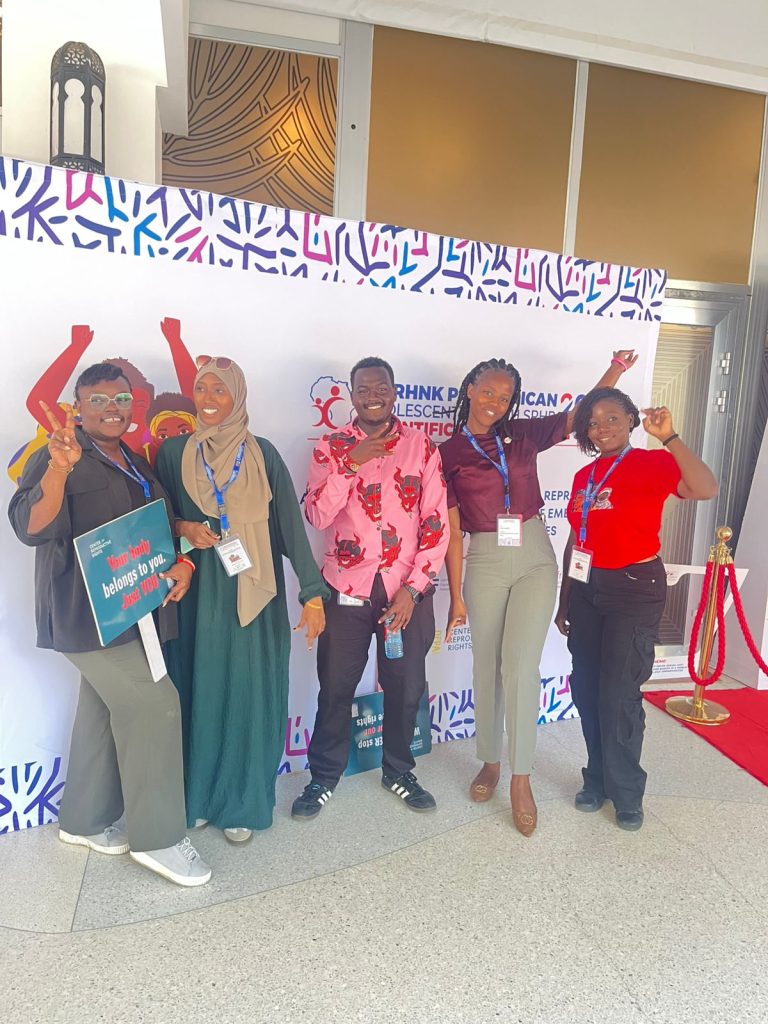
Mombasa, Kenya – The 2025 Reproductive Health Network Kenya (RHNK) Conference erupted with energy, uniting young advocates, policymakers, and experts under the bold theme: Adolescents and Youth Sexual and Reproductive Health and Rights (AYSRHR) in a World of Emerging Threats and Opportunities. The session attracted hundreds of participants from different organizations in Kenya and some East African countries. Speaking during the opening sessions UNFPA Kenya’s Pilar de la Corte Molina said, “There is an urgent need to prioritize adolescent and youth sexual and reproductive health and rights in a world grappling with climate change, online dangers, and deep-rooted inequalities.” Accordingly, Rosebell Barbara from the African Center for Health, Climate & Gender Justice Alliance (ACHCGA) reiterated the need for unpacking the dangers involved in online engagements. Barbara said,” The time for young people’s views on sexual reproductive health to be taken into consideration has come.”“Young people make -up almost 70 percent of Kenya’s population and it is crucial that they are engaged in the decision-making processes on health,” added Barbara. On the second day of the conference Rosebell Barbara made a compelling presentation on Climate Change, Socio-Economic Stressors, and the Escalation of Femicide in Kenya. She underscored the interlinkages of climate, health, and technologically facilitated violence and femicide. The conference also featured insightful discussions that explored the transformative role technology had played in advancing Adolescent and Youth Sexual and Reproductive Health and Rights (AYSRHR), along with the critical importance of youth-led advocacy and social accountability. What stood out is the unabated passion for countering anti-rights movements that have threatened hard-won gains in gender equality and health. Through these powerful dialogues, the conference reaffirmed the significance of centering youth voices in shaping health and rights agendas across Africa and beyond. The 8th Pan-African Adolescent and Youth Sexual and Reproductive Health and Rights (SRHR) Scientific Conference was so timely in Kenya. It discussed critical issues in Kenya and beyond. It also weighed burden on SRHR issues  that warrant attention from government decision-makers. It also reiterated the need for courageous leadership, ethical and safe use of technology, and placing young people at the center of decision-making processes. It focused on building systems that truly listened to and responded to the relieved realities of adolescents and youth.

RHNK 2025: Youth Power, Gender Justice, and Unapologetic Leadership Read More »

Emmanuel Lekishon Leteipa: A Legacy of Vision, Leadership, and Impact

In the corridors of climate justice advocacy, agricultural sustainability, and community development, the name Emmanuel Lekishon Leteipa will forever resonate as a beacon of hope, resilience, and transformative leadership. His untimely departure has left a void, but his legacy remains a powerful testament to the change one individual can ignite.   A Visionary Ahead of His Time Emmanuel was not just a leader; he was a force of nature undaunted, passionate, and deeply committed to the causes that defined his life. As a youthful climate justice advocate, he championed youth inclusion in climate change, gender justice, and equitable health policies, long before these became mainstream priorities. He understood that the voices of young people were not just important but necessary in shaping a sustainable future. His advocacy was never performative; it was rooted in action, engagement, and policy-driven solutions.   A Leader Who Built Foundations for Change With a strong background in financial management and organizational leadership, Emmanuel was instrumental in steering key decisions on finance, budgeting, and fundraising. He had an unwavering commitment to ensuring financial integrity and sustainability, understanding that without strong financial structures, even the most noble visions could falter.   As a co-founder of the African Center for Health, Climate & Gender Justice Alliance (ACHCGA) alongside Imali Ngusale, Emmanuel laid the groundwork for an institution that is set to outlive him and continue shaping policies, empowering communities, and advocating for justice. He was not only a leader but a mentor, guiding new staff and fostering a culture of excellence and dedication within ACHCGA.   A Champion for Sustainable Livelihoods Emmanuel’s work was deeply committed to seeing communities thrive in a world that often marginalizes them. He believed that sustainability was not just an environmental concern but a socioeconomic imperative. Whether it was through advocating for climate-resilient agriculture, promoting equitable access to healthcare, or ensuring gender justice in policymaking, Emmanuel’s vision always centered around the people most affected by these challenges.   More Than a Leader—A Friend, A Father, A Legacy Beyond his professional achievements, Emmanuel was a warm, compassionate, and deeply principled individual. He was a father, a friend, and a mentor to many. His kindness, wisdom, and unrelenting belief in the power of collective action will be sorely missed but never forgotten. In remembering Emmanuel, we are reminded that true leadership is not about titles but about impact. His work, his vision, and his unyielding commitment to justice will continue to inspire generations to come. Rest in power, Emmanuel. Your legacy lives on   If you would like to contribute to his send-off please send your support to * +254798944654.*Dominic Lekishon Nampaso.  

Emmanuel Lekishon Leteipa: A Legacy of Vision, Leadership, and Impact Read More »

COP29: A Missed Opportunity for Climate Justice

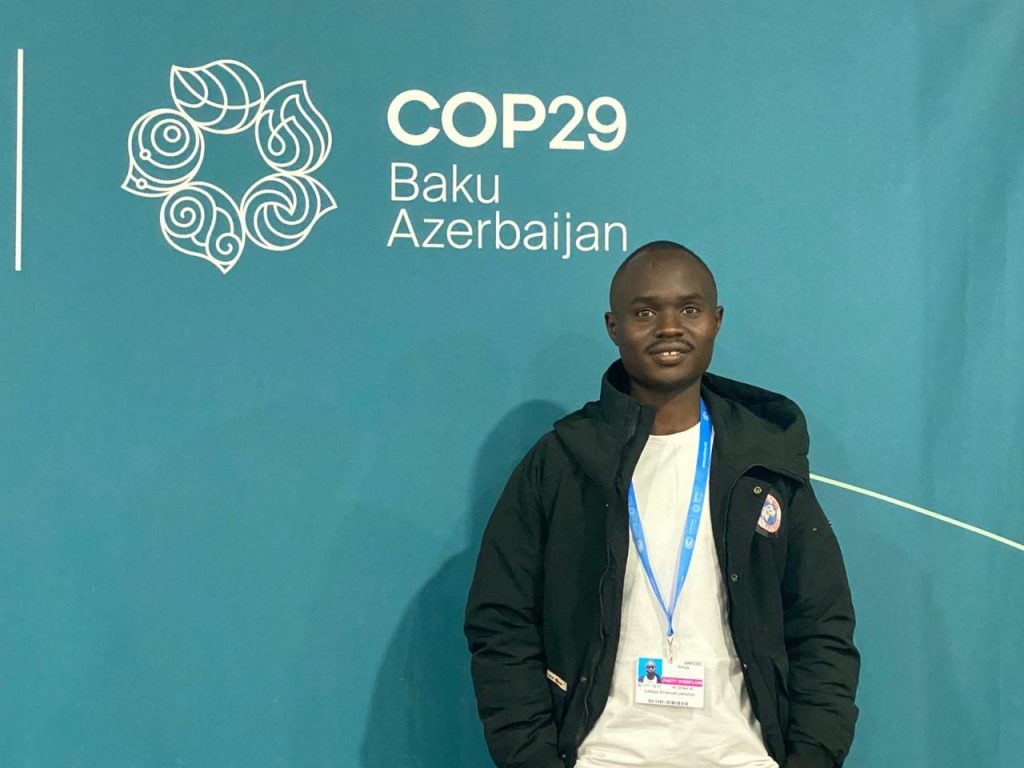
  The 29th United Nations Climate Change Conference (COP29) in Baku, Azerbaijan, unfolded as a harsh reminder of the global North’s persistent neglect of the Global South’s demands for climate equity and justice. While vulnerable communities from the global south face the devastating consequences of climate inaction, the architects of the crisis developed nations continue to prioritize profits over people. At COP29, the African Center for Health, Climate & Gender Justice Alliance (ACHCGA) joined the Women and Gender Constituency and global advocates in demanding urgent action to cap global warming at 1.5°C, unlock meaningful climate finance for loss and damage, and ensure feminist climate justice. Instead, we encountered dangerous distractions, empty promises, and a betrayal of trust.   Small Wins Amidst Broken Promises Carbon Markets: Progress was made in operationalizing Article 6 of the Paris Agreement, particularly mechanisms to improve transparency and accessibility. However, loopholes remain, threatening to undermine the equitable distribution of carbon credits. Climate Finance: A new climate finance deal was announced, aiming for $300 billion annually by 2035. While a step forward the inclusion of private financing sparked concerns about accountability and the marginalization of vulnerable communities.   Disappointments That Can’t Be Ignored Loss and Damage Fund: Rule 16 outcomes fell short of expectations, with major emitters resisting accountability for their historical emissions. Fossil Fuel Phase-out: Despite dire warnings from scientists, weak language dominated the discussions on fossil fuel phase-outs, leaving the door open for continued reliance on dirty energy. Climate Finance Shortfall: The promised $100 billion annual commitment remains unfulfilled, compounding the Global South’s struggle to address loss and damage. UNEP and IPCC reports underline the catastrophic consequences of this inaction, yet no significant steps were taken.   A Bleak Future Without Bold Action The lack of urgency and ambition at COP29 casts a shadow over our collective future. Climate finance continues to fall short, the fossil fuel industry remains unchecked, and the voices of marginalized communities are drowned out by the rhetoric of green capitalism. But hope is not lost. ACHCGA remains steadfast in pushing for climate and gender justice. At COP29, we witnessed the undeniable power of youth, women, and indigenous communities coming together to demand meaningful action.   What’s Next? Building a Just Future COP29 may have betrayed our trust, but it also reignited our resolve. We commit to advocating for a future where climate justice is inseparable from gender justice. 💪🌿 Click here https://x.com/ACHCGJA_Africa/status/1860584558590116066 to read our social media posts in one thread #ClimateJustice ⚖️ #COP29 #FeministClimateJustice  

COP29: A Missed Opportunity for Climate Justice Read More »

Scroll to Top