Health

ACHCGA Join CHREAD in advancing Climate, Health & Innovation in Kenya

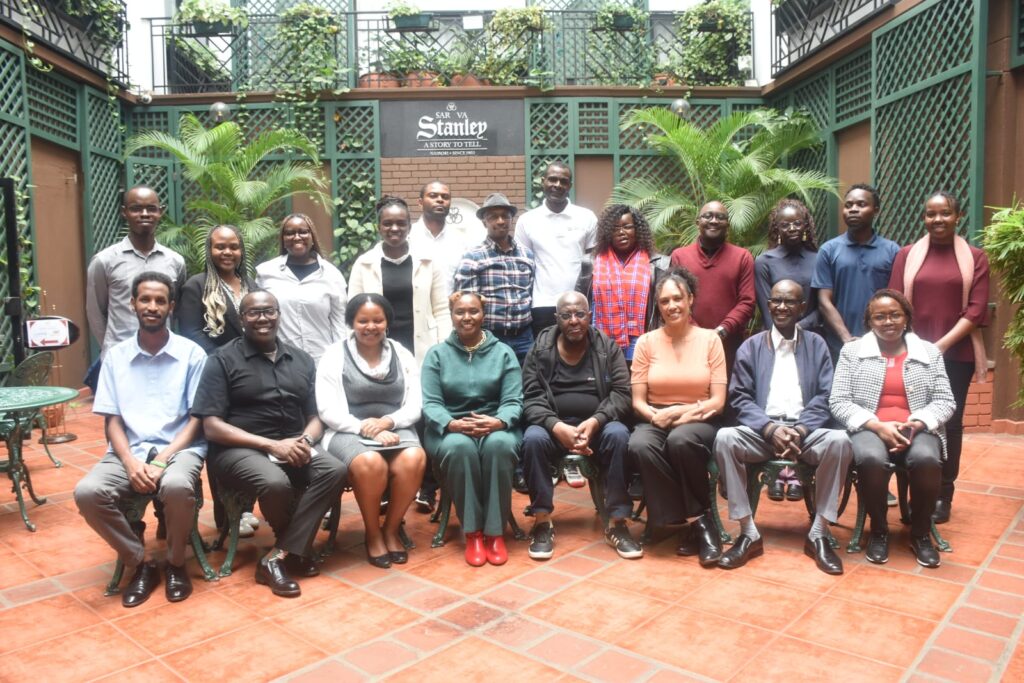
The African Center for Health, Climate & Gender Justice Alliance (ACHCGA) recently participated in the Annual General Meeting (AGM) of the Coalition for Health Research and Development (CHReaD). The meeting underscored the need for civil society organizations, research institutions, academia, and the private sector to strengthen Kenya’s research and innovation ecosystem. ACHCGA was represented by Arale Mohammed, who contributed to discussions on the growing intersection between climate change, health systems, and gender justice. Speaking during plenary, Mohammed said, ” There is a strong correlation between health and climate change, and I am glad that the coalition is prioritizing this.” Mohammed also underscored the need for inclusion and diversity while pursuing innovation. The meeting highlighted CHReaD’s significant progress between 2024 and 2025, particularly in advancing health research advocacy, strengthening policy engagement, and building partnerships across the research ecosystem. Additionally, the meeting highlighted upcoming global health campaigns such as World TB Day and World Antimicrobial Awareness Week. The members of the coalition discussed the opportunities in 2026, including (but not limited to) capacity-building initiatives, technical support for Kenya’s Health Products and Technologies (HPT), the Local Manufacturing Strategy, and collaborations with institutions such as AMREF Research and Duke University to develop a market intelligence hub for health innovations. Notably, the AGM emphasized the need to integrate climate change and health research, while recognizing that climate-shocks have in recent years shaped disease patterns, health infrastructure, and community resilience. ACHCGA underscored will continue to support the coalition’s gender-responsive and climate-sensitive approaches to emerging health technologies, including artificial intelligence and genomics.

ACHCGA Join CHREAD in advancing Climate, Health & Innovation in Kenya Read More »
African Coalition Drives Evidence-Based Health Action

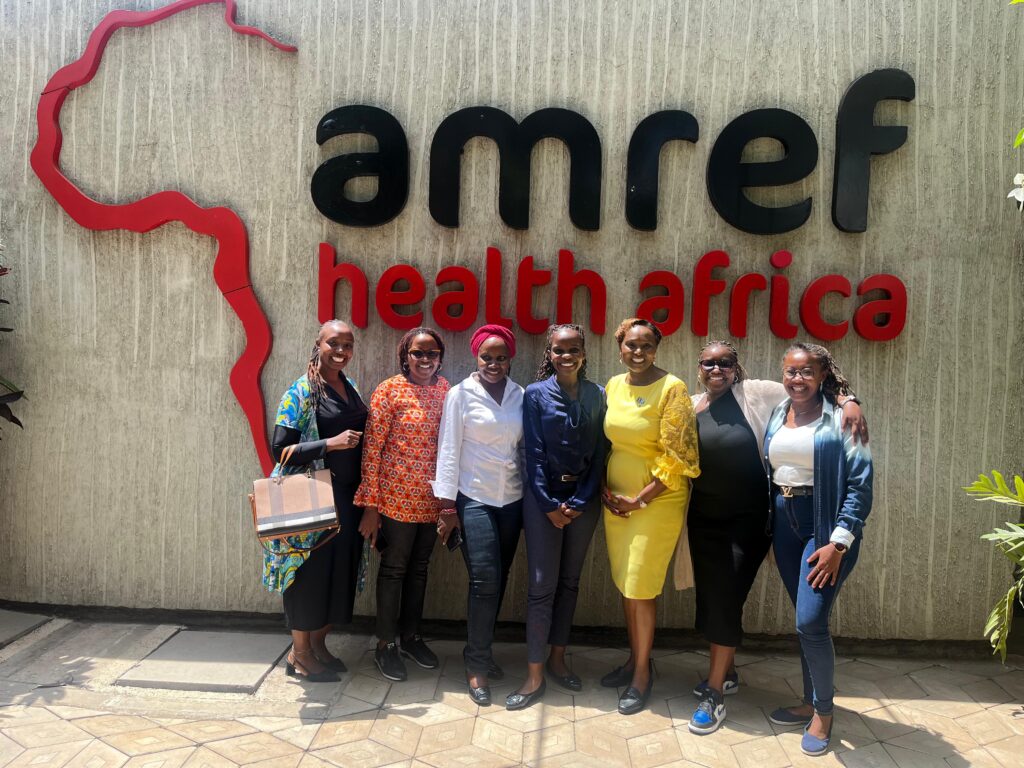
The Coalition for Health Research and Development (CHREAD) has reaffirmed its commitment to advancing evidence-based health policy and scientific collaboration following a recent coordination meeting that brought together civil society, research institutions, and development partners. The coalition plans to strategically position its work at global events. This includes the World Health Assembly and the Culture of Science Conference, to advocate for sustainable health financing and stronger research ecosystems. Speaking during the stakeholders’ meeting, Imali Ngusale, the Strategic Lead from the African Centre for Health, Climate and Gender Justice Alliance, said, “We are at the dawn of an interesting setting where the health and well-being of every individual in Kenya warrants attention.” Ngusale also said that the coalition’s renewed push to prioritize health and climate aligns with critical national and global health priorities. Accordingly, Gloria Nduku from WACI Health said that research for health is an ongoing priority for the coalition. Nduku further noted that enhancing partner coordination remains a priority, and the coalition is well-equipped and mandated to do so. “We are focused on finalising our joint timelines and clearly defining roles to amplify our impact,” added Gloria while advocating for more cohesion in the coalition. The coalition, active for over a decade, reviewed progress under its CASH initiative and identified key engagement platforms like the Kenya Lung Health Conference and the Culture of Science Conference, scheduled for later this year. Evaline Kibuchi from STOP TB said,” For the last 15 years, I have seen some improvement in tackling TB.” Kibuchi further added that she was glad that the CHREAD coalition is committed to ensuring diagnoses are well done.” Mary Muia from NOPE acknowledged the coalition’s priorities as “quintessential,” but noted a long road ahead in ensuring equal access to health services, including diagnostics and curative care. Jane Nganga added that the coalition is operating at a critical time. Nganga said, “Health policies in Kenya and in Africa as a whole warrant a fresh commitment.” The Coalition’s Coordinator, Samuel Makau, provided an update on the alliance’s coordination efforts. He noted that 2026 will be a pivotal year, with coalition members expected to deepen their engagement in health research, innovation, and collaborative initiatives. He further emphasized that the African Center for Health, Climate & Gender Justice Alliance (ACHCGA) will continue to work closely with the coalition to strengthen partnerships and advance initiatives that generate meaningful, high-impact outcomes in health and innovation. The coalition’s coordinator, Samuel Makau, provided updates on the alliance’s coordination. He mentioned that 2026 will be the year when coalition members will be engaged heavily in health and innovations.

African Coalition Drives Evidence-Based Health Action Read More »

RHNK 2025: Youth Power, Gender Justice, and Unapologetic Leadership

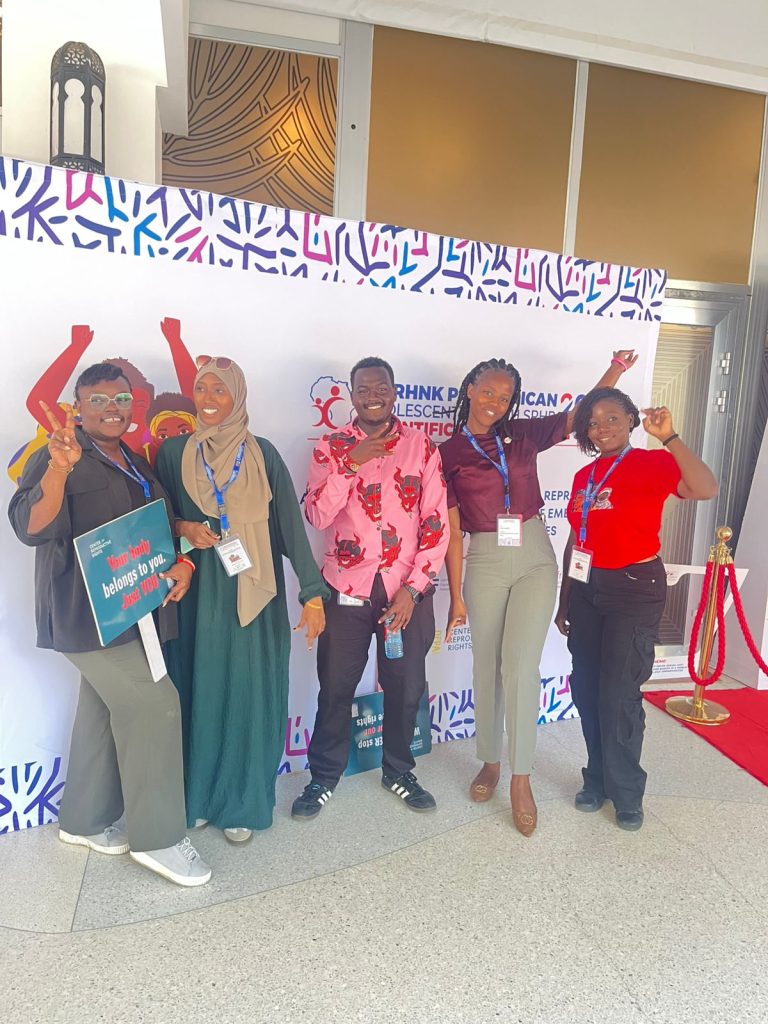
Mombasa, Kenya – The 2025 Reproductive Health Network Kenya (RHNK) Conference erupted with energy, uniting young advocates, policymakers, and experts under the bold theme: Adolescents and Youth Sexual and Reproductive Health and Rights (AYSRHR) in a World of Emerging Threats and Opportunities. The session attracted hundreds of participants from different organizations in Kenya and some East African countries. Speaking during the opening sessions UNFPA Kenya’s Pilar de la Corte Molina said, “There is an urgent need to prioritize adolescent and youth sexual and reproductive health and rights in a world grappling with climate change, online dangers, and deep-rooted inequalities.” Accordingly, Rosebell Barbara from the African Center for Health, Climate & Gender Justice Alliance (ACHCGA) reiterated the need for unpacking the dangers involved in online engagements. Barbara said,” The time for young people’s views on sexual reproductive health to be taken into consideration has come.”“Young people make -up almost 70 percent of Kenya’s population and it is crucial that they are engaged in the decision-making processes on health,” added Barbara. On the second day of the conference Rosebell Barbara made a compelling presentation on Climate Change, Socio-Economic Stressors, and the Escalation of Femicide in Kenya. She underscored the interlinkages of climate, health, and technologically facilitated violence and femicide. The conference also featured insightful discussions that explored the transformative role technology had played in advancing Adolescent and Youth Sexual and Reproductive Health and Rights (AYSRHR), along with the critical importance of youth-led advocacy and social accountability. What stood out is the unabated passion for countering anti-rights movements that have threatened hard-won gains in gender equality and health. Through these powerful dialogues, the conference reaffirmed the significance of centering youth voices in shaping health and rights agendas across Africa and beyond. The 8th Pan-African Adolescent and Youth Sexual and Reproductive Health and Rights (SRHR) Scientific Conference was so timely in Kenya. It discussed critical issues in Kenya and beyond. It also weighed burden on SRHR issues  that warrant attention from government decision-makers. It also reiterated the need for courageous leadership, ethical and safe use of technology, and placing young people at the center of decision-making processes. It focused on building systems that truly listened to and responded to the relieved realities of adolescents and youth.

RHNK 2025: Youth Power, Gender Justice, and Unapologetic Leadership Read More »