
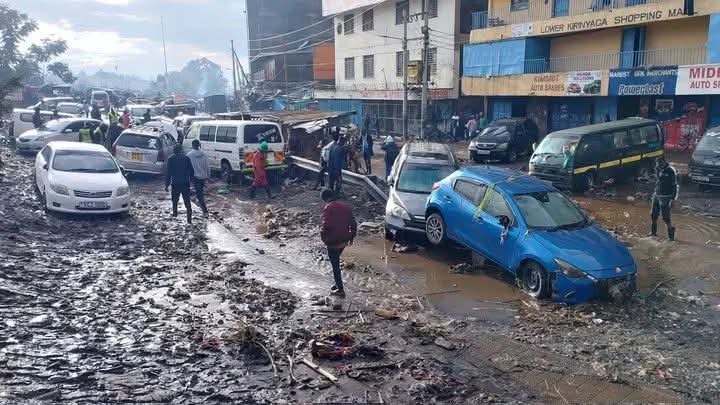
Climate-induced floods are no longer distant projections but present realities. The devastating March 2026 flash floods in Nairobi have left 23 people dead and 71 vehicles swept away. Beyond the numbers lies a deeper story of vulnerability, inequality, and the escalating human cost of climate change.
Across Nairobi, many communities have been severely affected. Among the hardest-hit areas are Pipeline and Embakasi, where Kware Road was cut off by floodwaters. The deadly waters also flooded residential areas in Mukuru Kwa Njenga, Reuben, Viwandani, Kibra, Mathare, Huruma, Baba Dogo, Githurai, South B, South C, and parts of Westlands. For residents in these neighborhoods many of whom already face precarious living conditions- the floods have disrupted livelihoods, displaced families, and destroyed homes and essential infrastructure.
The floods have also paralyzed mobility across Nairobi. Several major roads have been declared impassable due to rising water levels and debris. Key transport routes affected by the flooding include sections of Central Business District roads, Uhuru Highway, Mbagathi Way, Mombasa Road (South C–JKIA Exit–Kyumbi), Thika Superhighway (Githurai–Kahawa Sukari), Jogoo Road, Lunga Lunga Road, Enterprise Road, and Lang’ata Road near T-Mall. These disruptions have not only stranded commuters but also hindered emergency response efforts, compounding the crisis for affected communities.
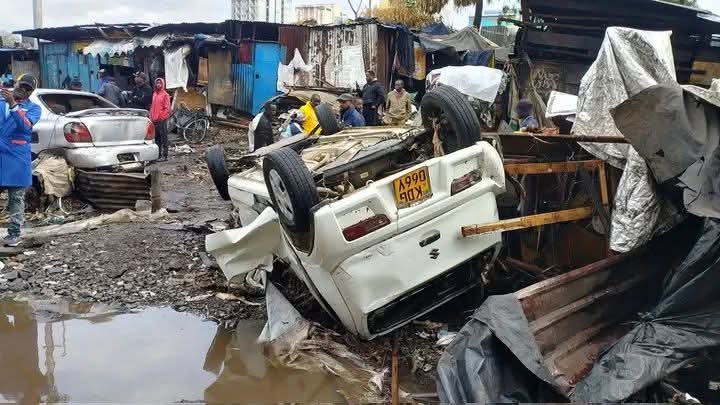
While floods have long been part of seasonal weather patterns, the frequency and intensity of such extreme weather events are increasing due to climate change. The flooding in Nairobi is exacerbated by a combination of heavier rainfall, inadequate drainage systems, rapid urbanization, and settlements located in flood-prone areas. The result is a disaster that disproportionately affects low-income communities living at the frontline of climate change.
These tragedies highlight the urgent need for global Loss and Damage financing mechanisms to support vulnerable countries like Kenya. Loss and damage refer to the impacts of climate change that go beyond what communities can adapt to when homes are destroyed, lives are lost, and livelihoods are washed away. For countries across the Global South, these impacts are becoming increasingly frequent and devastating.
Yet Kenya, like many African countries, accounts for only a smallfraction of global greenhouse gas emissions. Africa as a whole accounts for less than 4% of historic global emissions, yet it faces some of the most severe consequences of climate change. This stark imbalance underscores a fundamental principle of climate justice: those who have contributed most to the climate crisis must take responsibility for addressing its consequences.

The establishment of the Funding for Loss and Damage under the global climate negotiations marked an important step toward recognizing this responsibility. However, commitments must now translate into adequate, accessible, and predictable financing for affected countries and communities. Without this support, governments and communities will continue to struggle to recover from disasters while also attempting to invest in resilience and adaptation. The devastating floods in Nairobi are a painful reminder that the costs of climate inaction are measured not only in economic losses but also in human lives, dignity, and the stability of communities.
The world must act, and act now.
#PayUp4LossandDamage

We are praying for Kenya