Climate change is not gender neutral. A 2022 United Nations report underscores the disproportionate burden borne by women and girls in the face of climate-related disasters. When extreme weather events strike, women and children are 14 times more likely to die than men, largely due to limited access to early warning information, restricted mobility, unequal decision-making power, and fewer economic resources.
In Kenya, the impacts of climate change prolonged droughts, flooding, food insecurity, and displacement have had far-reaching and increasingly irreversible consequences. These effects can no longer be addressed through adaptation measures alone. As articulated under Article 8 of the Paris Agreement, it recognizes loss and damage as climate-induced harms that are unavoidable, irreversible, and beyond the limits of adaptation.
The 2024 IPCC Sixth Assessment Report (AR6) confirms climate change disproportionately affects women, exacerbating inequalities, while also highlighting women’s crucial role in solutions.

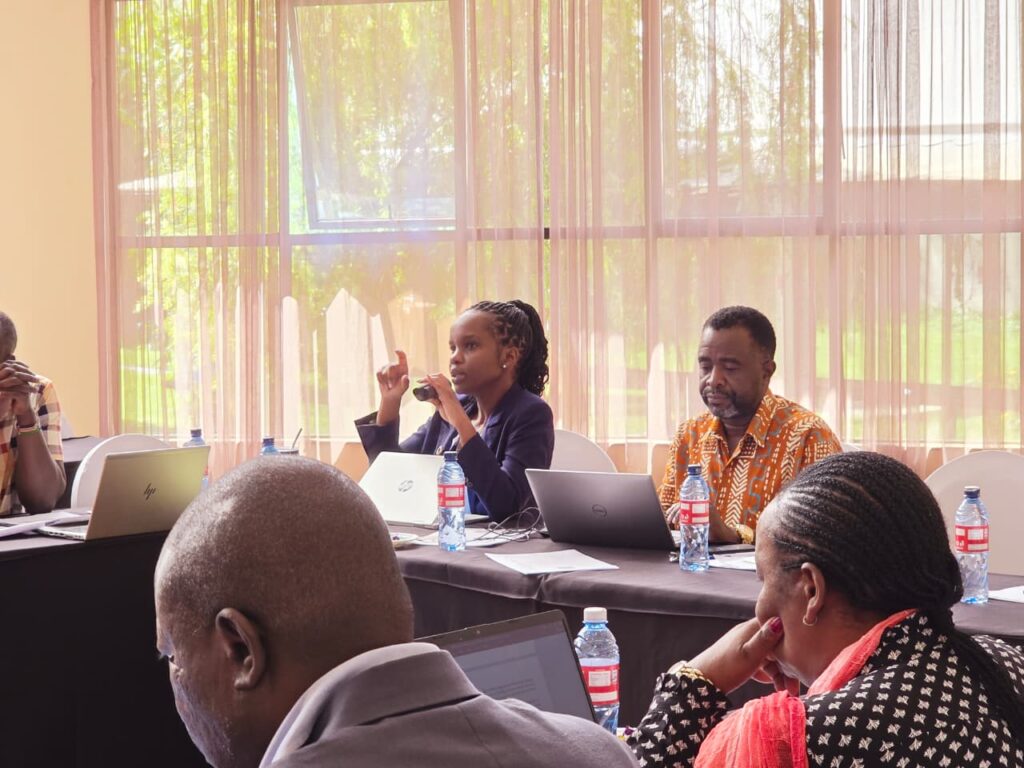
Speaking during a Post COP 30 meeting on loss and damage organized by UNFPA Kenya and the Ministry of Climate Change, Environment and Forestry, Ruth Nyamasege, the in-Country Facilitator for Kenya with the NDC Partnership said, “Women in Kenya have been disproportionately impacted by the climate crisis.”
Nyamasege also underscore that there have incurred losses and damages that not only warrant attention but quantification.” She further highlighted that women’s livelihoods have been deeply affected by climate change, and that women remain vulnerable now more than ever.
Accordingly, Grace Uwizeye from UNFPA East Africa Regional Office (UNFPA ESARO) said, “Climate change is not gender neutral.”

Uwizeye further demonstrated that women loss of livelihood has been attributed to the climate induced loss and damage.
She also highlighted that over 107, 318 women of reproductive age have been affected in Kenya due to rising water levels. She further insisted that more studies need to be conducted in order to satiate that the gravity of the losses imputed by climate change.