Justice

It is Time  to Reclaim the Future for the Most Vulnerable

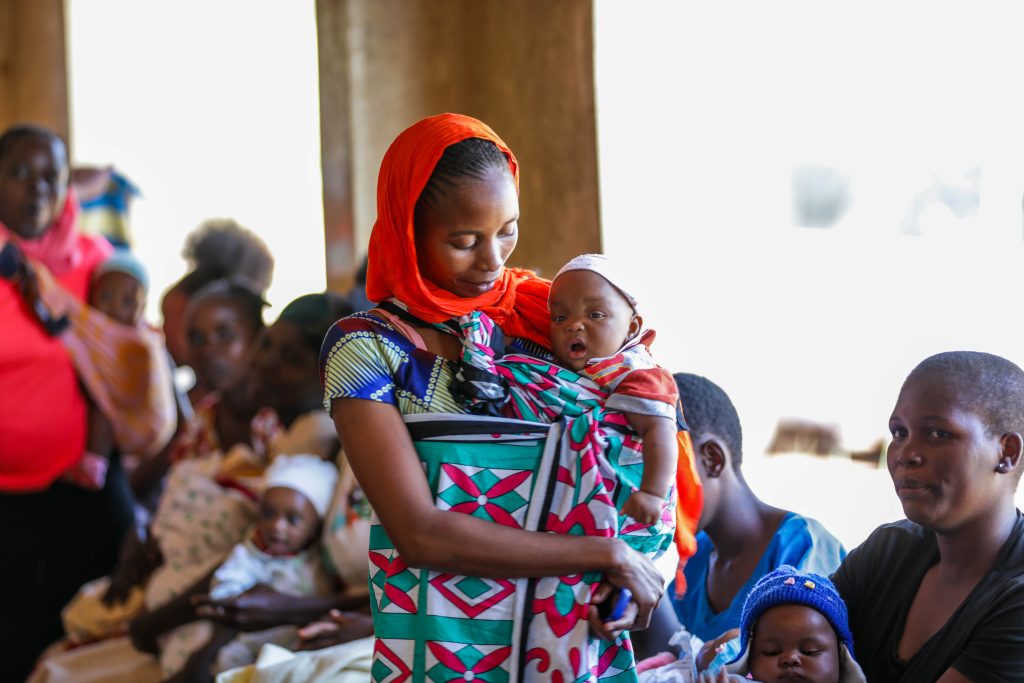
The African Center for Health, Climate & Gender Justice Alliance (ACHCGA) stands at the forefront of a global advocacy campaign demanding urgent action to address the escalating burden of climate change-induced loss and damage. As the world gathered at COP 29 in Baku, a critical yet contentious development emerged: Rule 16 was recommended under the Loss and Damage Fund. Far from accelerating progress, this procedural maneuver has stymied the long-overdue process of ensuring reparations for the most affected communities. It is a stark reminder that, despite years of promises, climate justice seems elusive.   Kenya is a stark testament to the devastating consequences of inadequate global climate action. The nation’s vulnerabilities to the climate crisis are not theoretical; they are palpable and mounting. With economic losses currently estimated at 3-5% of its Gross Domestic Product (GDP) annually, projections indicate that this figure could balloon to 9% by 2050. This reality is more than numbers on a spreadsheet—it’s livelihoods destroyed, ecosystems degraded, and infrastructure crumbling under the weight of a changing climate. For Kenya and other nations in the Global South, climate-induced loss and damage are not distant threats; they are daily crises.   This grim trajectory underscores the urgency of the #PayUp4LossAndDamage campaign, a clarion call for a global commitment to rectify these climate injustices. The campaign’s demands are clear: robust financial support, comprehensive capacity-building programs, and the deployment of cutting-edge technological solutions. But the road to justice is riddled with obstacles, as demonstrated by the paralysis in Baku.   Rule 16, a procedural fallback invoked when parties fail to reach consensus, has effectively delayed substantive progress on the Loss and Damage Fund. This bureaucratic quagmire disproportionately affects nations like Kenya, where the stakes are existential. While wealthier nations debate semantics and procedural minutiae, the most vulnerable continue to bear the brunt of climate inaction.   Yet, amidst this frustration, there is resolve. ACHCGA is galvanizing voices across the continent to demand accountability and action. The alliance’s approach is multifaceted, leveraging grassroots advocacy, policy influence, and global solidarity to shift the narrative and demand reparations. The message is unequivocal: climate justice is not charity it is a moral imperative.   As we reflect on COP 29’s outcomes, the question remains: will the global community rise to the challenge? The clock is ticking, and the cost of inaction grows every day. The #PayUp4LossAndDamage campaign is more than a rallying cry; it is a movement demanding that promises made translate into tangible action.

It is Time  to Reclaim the Future for the Most Vulnerable Read More »
Gender Justice Under Trial

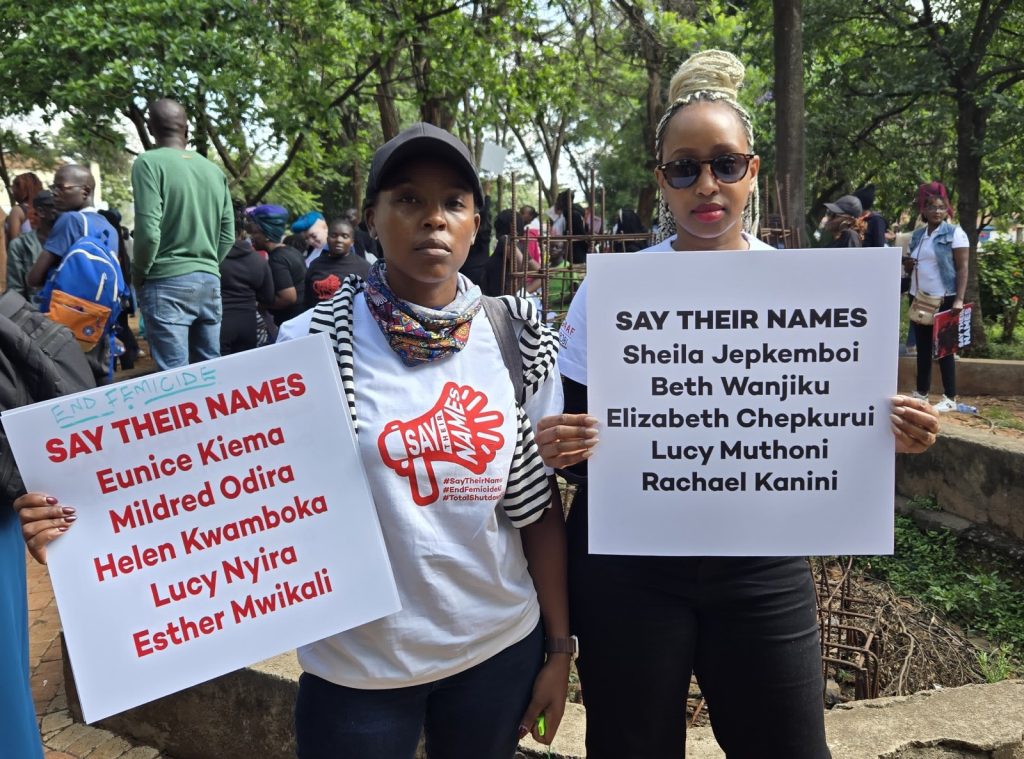
On the final day of the 16 Days of Activism Against Gender-Based Violence,  Nairobi became the epicenter of a shocking gender injustice. What should have been a powerful display of solidarity and hope turned into chaos as teargas engulfed the streets, dispersing hundreds of feminists protesting against femicide. A march meant to amplify calls for justice devolved into a scene of tears, fear, and unyielding resilience as gender activists faced a brutal police crackdown.   The demonstrators, armed with nothing but whistles and their voices, marched through Nairobi chanting, “Stop killing women!” Their rally, an urgent plea for justice, gathered momentum before being violently interrupted. Tear gas filled the air as police officers repeatedly broke up the crowds, making several arrests in the process.   Among those detained was Irungu Houghton, the Executive Director of Amnesty International Kenya, a move that sent ripples across the global human rights community. Amnesty International and the Law Society of Kenya swiftly issued a joint statement condemning the arrests and police brutality, calling the crackdown a violation of fundamental rights. They described the incident as a “chilling message” to peaceful protesters advocating for gender justice.   Esther Nyakiri, a feminist activist and board member of the African Center for Health, Climate, and Gender Justice Alliance (ACHCGA), was among the protesters. Reflecting on the violence, she lamented, “It is heartbreaking that instead of supporting us, the police use violence to suppress our voices.”   Nyakiri also emphasized the movement’s broader implications, stating, “Our fight is not just for women; it is for the dignity and future of this nation.” Her powerful words underscored the urgency of increased protection of women in Kenya and beyond.   The demonstration aimed to shed light on the grim realities of gender-based violence and femicide, with slogans such as “Our bodies are not battlegrounds” and “Justice for survivors now” reflecting the collective anguish and determination of the movement.   A report published in 2022 by the United Nations Office on Drugs and Crime (UNODC) and UN Women painted a dire picture of the state of gender justice in Africa. According to the report, Africa has the second-highest rate of femicide globally, with an estimated 22,000 gender-related killings of women recorded that year alone. Most of these killings were perpetrated by current or former intimate partners, marking the devastating culmination of persistent gender-based violence.   As Kenyan feminists continue to push for gender justice, their resolve remains undeterred despite the dual threats of societal violence and police brutality. The crackdown in Nairobi is a sobering reminder of the systemic challenges women face—not just from perpetrators of violence but also from state actors who ought to protect them.   Whether the Kenyan government will respond to this grievous assault on fundamental rights remains uncertain. What is clear, however, is that the fight for gender justice is far from over, and the courage of those who demand it will continue to inspire change.

Gender Justice Under Trial Read More »