Climate Change Hits Women and Girls Hardest
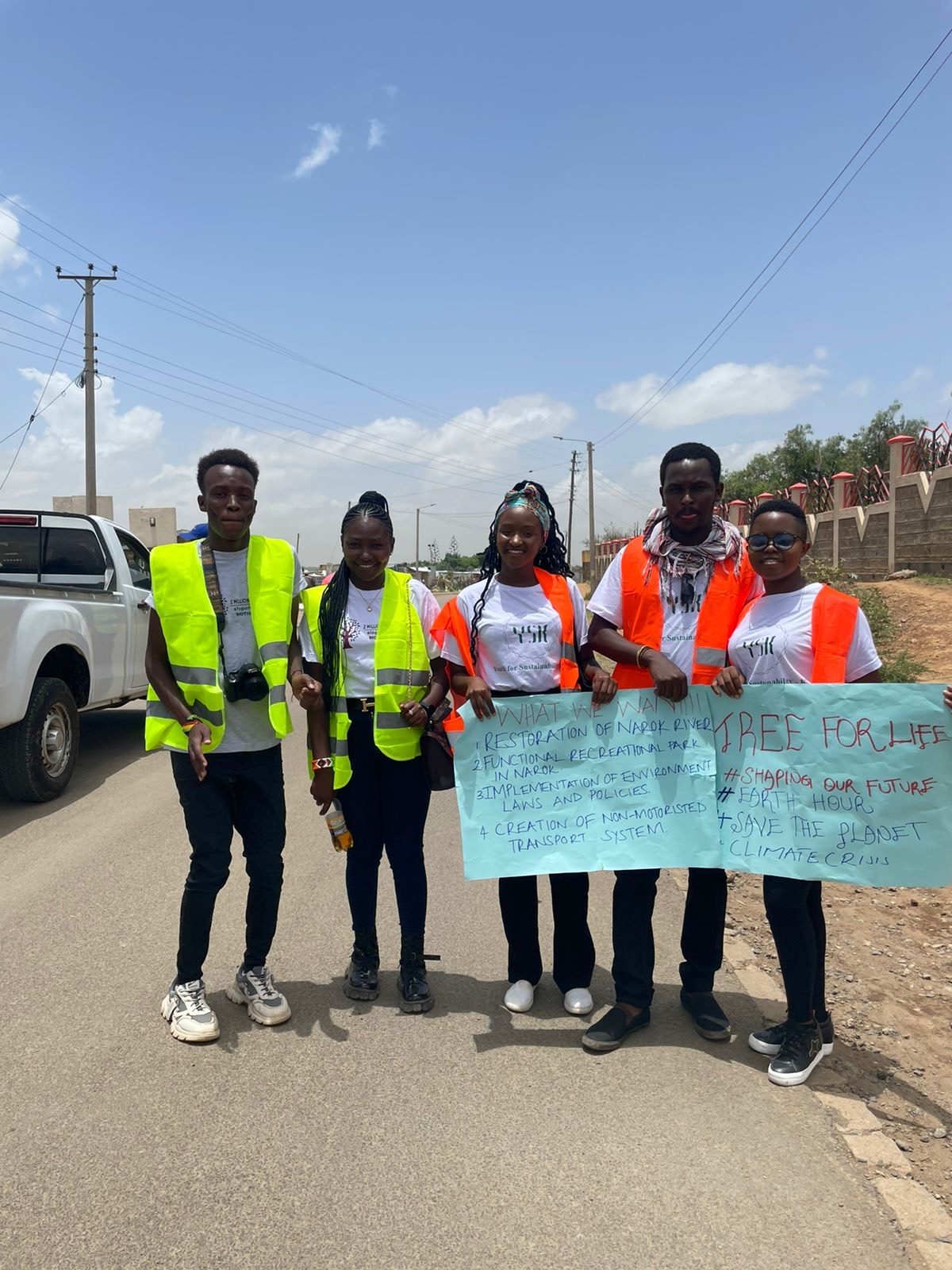
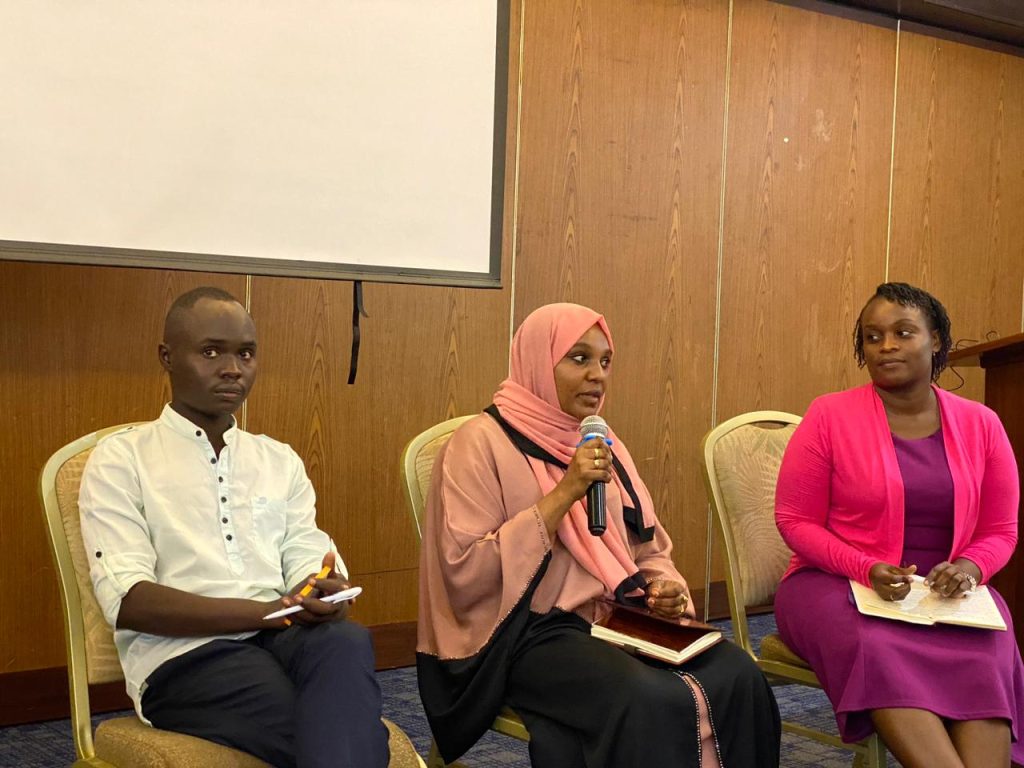
Mombasa, Kenya– A shadow falls across the promise of sustainable development as climate change disproportionately impacts women and girls. This stark reality was brought to light during a UNFPA-led training in Kenya. The training brought to light the correlation between climate change and sexual and reproductive health and rights (SRHR). “The research findings are compelling,” said Chiagozie Udeh, a representative from UNFPA Geneva, during the training. “They demonstrate a clear link between SRHR and climate change, with the specific intersectionality varying significantly across different countries. Climate change and SRHR are undeniably intertwined, with the specific challenges women face varying greatly depending on where they live.” This “intersectionality,” as Udeh termed it, was further emphasized by Emmanuel Lekishon, one of the Directors of the Centre for Climate Action, who pointed to the plight of young girls and women in Narok County, Kenya. “Girls and young women, particularly those from Narok County face unique challenges due to the interplay of climate change and gender inequality,” noted Lekishon while presenting the disproportionality of climate shocks. Additionally, Dr. Samwel Wakibi a public health researcher and regional expert from the University of Nairobi highlighted that the recent climate shocks in Kenya have made it challenging for women to access reproductive health services.Dr. Wakibi said that pre-existing gender norms coupled with unfavorable climate change further tilted the socio-economic marginalization imbalances while exacerbating gender inequalities. Speaking on the same issue, Angela Baschiera said, “Women are disproportionately impacted by climate change. There is a rich body of resources that women have poorer access to resources that could help with the adaptation such as land title, irrigation, and financial assets.” Currently, only 37% of 160 countries recognize that women and men have equal rights to own and control land. The most impacted population should be the cost involved in creating solutions. The training further underscored the critical role of gender equality in achieving the vision of human-centered sustainable development outlined by the International Conference on Population and Development Programme of Action (ICPD PoA). The training also identified specific “hotspots” within Kenya, areas most vulnerable to the combined threats of climate change and gender inequality. Armed with this knowledge, future efforts to adapt could be designed to ensure no woman or girl is left behind in the fight for a brighter tomorrow. Published by Liberal News Network
Climate Change Hits Women and Girls Hardest Read More »