Bodies, Rights, Planet: The Epic Intersection of Climate Change and SRHR in the UNFPA-Backed Youth Revolution
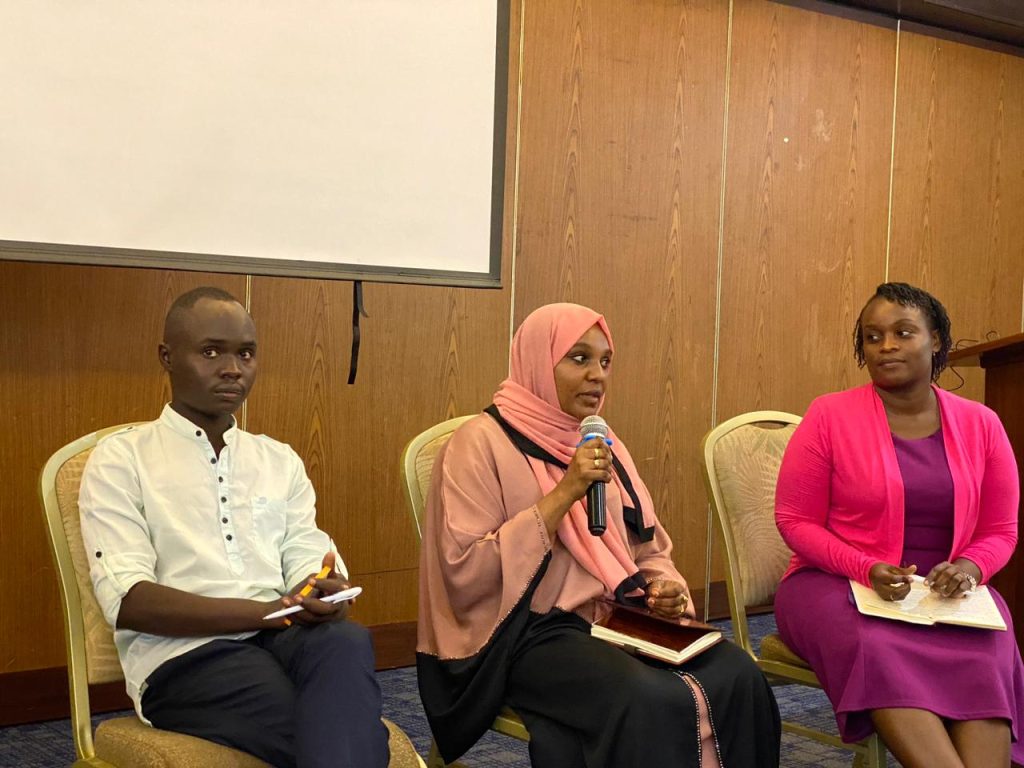
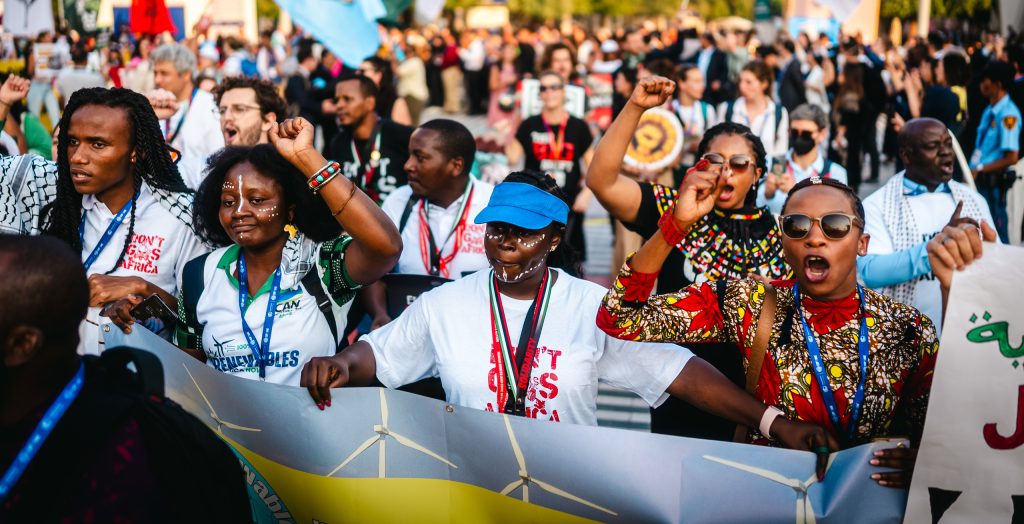
Climate change isn’t just a warming planet; it’s a crisis that throws the most vulnerable populations – women, youth, and marginalized communities – into the crosshairs. This vulnerability is particularly stark when considering the epic intersection of climate change and sexual and reproductive health and rights (SRHR). From extreme weather events disrupting access to healthcare to food insecurity impacting menstrual health, the consequences of climate change exacerbate existing challenges in accessing critical SRHR services. Recognizing this critical connection, UNFPA took a bold step at COP 28 in Dubai: deliberately engaging young voices from vulnerable communities. This wasn’t just about token representation; it was about empowering future leaders and ensuring their perspectives shape the fight against climate change. Emmanuel Lekishon, a young climate expert from Kenya, echoed this sentiment, emphasizing the need for meaningful youth engagement in climate action programs and policies. He rightly pointed out that youth are “the most productive population” and their voices deserve to be heard, especially in discussions surrounding the loss and damage fund and addressing the disproportionate impact on young people. Marie Ochieng, a UNFPA Youth Champion from Nairobi, further highlighted the urgency of climate justice litigation and its link to SRHR. She powerfully stated that climate change has an “exponential” impact on youth, particularly around reproductive health and rights. Her call for prioritizing youth voices and representing their innovative solutions resonated deeply, challenging the traditional dominance of large corporations in these spaces. Ochieng’s experience at COP 28 exemplifies the importance of amplifying youth voices. As she eloquently expressed, “I feel honored that UNFPA enabled me to be exposed in the Cop28 space… I hope that the UNFCCC will push the decision makers to affirm that we risk inheriting the repercussions of their inaction.” Sharon Siamanta, a youth activist from Kenya, emphasized the transformative power of youth engagement. She sees her generation as “agents of change,” equipped to create inclusive solutions that address climate justice, social equity, and SRHR in a holistic manner. This underscores the essential role youth play in achieving the Sustainable Development Goals. While COP 28 saw significant youth participation, the journey doesn’t end there. UNFPA and UNDP remain committed to fostering a sense of civic engagement and collective action among young people in climate action. Ultimately, meaningful youth engagement isn’t just a goal; it’s a necessity. By empowering young voices and recognizing the intersectionality between climate change and SRHR, we pave the way for a more just, equitable, and sustainable future for all. COP 28 was a crucial step, but the journey towards a truly inclusive and effective climate response requires sustained investment in amplifying the voices of the changemakers: the youth. This article was originally published: https://liberalnewsnetwork.com/climate-change-srhr-the-youth-led-revolution-unfpa-is-sparking/