Benard Maswach

It is Time  to Reclaim the Future for the Most Vulnerable

The African Center for Health, Climate & Gender Justice Alliance (ACHCGA) stands at the forefront of a global advocacy campaign demanding urgent action to address the escalating burden of climate change-induced loss and damage. As the world gathered at COP 29 in Baku, a critical yet contentious development emerged: Rule 16 was recommended under the Loss and Damage Fund. Far from accelerating progress, this procedural maneuver has stymied the long-overdue process of ensuring reparations for the most affected communities. It is a stark reminder that, despite years of promises, climate justice seems elusive.   Kenya is a stark testament to the devastating consequences of inadequate global climate action. The nation’s vulnerabilities to the climate crisis are not theoretical; they are palpable and mounting. With economic losses currently estimated at 3-5% of its Gross Domestic Product (GDP) annually, projections indicate that this figure could balloon to 9% by 2050. This reality is more than numbers on a spreadsheet—it’s livelihoods destroyed, ecosystems degraded, and infrastructure crumbling under the weight of a changing climate. For Kenya and other nations in the Global South, climate-induced loss and damage are not distant threats; they are daily crises.   This grim trajectory underscores the urgency of the #PayUp4LossAndDamage campaign, a clarion call for a global commitment to rectify these climate injustices. The campaign’s demands are clear: robust financial support, comprehensive capacity-building programs, and the deployment of cutting-edge technological solutions. But the road to justice is riddled with obstacles, as demonstrated by the paralysis in Baku.   Rule 16, a procedural fallback invoked when parties fail to reach consensus, has effectively delayed substantive progress on the Loss and Damage Fund. This bureaucratic quagmire disproportionately affects nations like Kenya, where the stakes are existential. While wealthier nations debate semantics and procedural minutiae, the most vulnerable continue to bear the brunt of climate inaction.   Yet, amidst this frustration, there is resolve. ACHCGA is galvanizing voices across the continent to demand accountability and action. The alliance’s approach is multifaceted, leveraging grassroots advocacy, policy influence, and global solidarity to shift the narrative and demand reparations. The message is unequivocal: climate justice is not charity it is a moral imperative.   As we reflect on COP 29’s outcomes, the question remains: will the global community rise to the challenge? The clock is ticking, and the cost of inaction grows every day. The #PayUp4LossAndDamage campaign is more than a rallying cry; it is a movement demanding that promises made translate into tangible action.

It is Time  to Reclaim the Future for the Most Vulnerable Read More »
Curbing the Silent Epidemic: Tackling Antimicrobial Resistance in Narok County’s Livestock

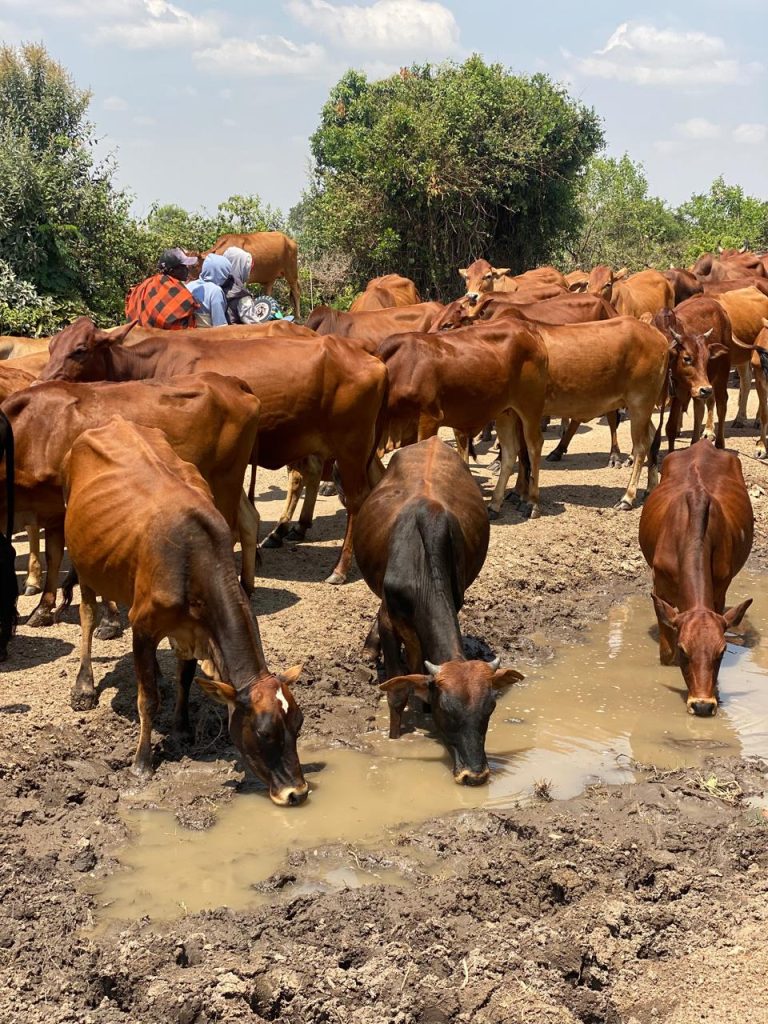
Introduction Antimicrobial resistance (AMR) is a ticking time bomb in livestock management worldwide. In Narok County, Kenya, the overuse of antibiotics to treat livestock diseases has created a perfect storm for AMR to thrive. This article sheds light on the grave consequences of AMR, its impact on both animal and human health, and the urgent need for sustainable and responsible antibiotic use in livestock farming. What is Antimicrobial Resistance (AMR)? AMR happens when bacteria develop the ability to resist antibiotics, making treatments less effective. In Narok County, farmers often use antibiotics for common livestock problems like infections and stomach issues. However, using too much or misusing antibiotics can lead to resistant bacteria, reducing the effectiveness of these treatments over time. How Are Antibiotics Used in Narok County? In Narok, many farmers give antibiotics to their animals without consulting veterinarians. Some farmers administer doses that are four times the recommended amount. Around 90% of pastoralists handle their own livestock treatments, leading to the misuse of antibiotics and an increased risk of AMR. The Dangers of AMR in Livestock Harder to Treat Livestock Diseases: When bacteria become resistant, common livestock diseases become harder to treat, leading to prolonged illness and even death. Higher Costs for Farmers: Farmers may need to switch to more expensive treatments when antibiotics stop working, which can harm their financial stability. Health Risks for Humans: AMR in livestock can be transferred to humans through meat, milk, or direct contact with animals, causing infections that are difficult to treat. Environmental Impact: Resistant bacteria can spread through animal waste, contaminating soil and water, and affecting public health. Preventing AMR in Narok County Educating Farmers: Farmers need to be aware of how to use antibiotics correctly and the risks of AMR. Workshops and training programs can help spread this knowledge. Veterinary Supervision: Ensuring that antibiotics are only used under the guidance of veterinarians will help prevent misuse. Stronger regulations on antibiotic sales and usage are also needed. Tracking Antibiotic Use: Setting up systems to monitor how antibiotics are being used and testing for resistance can help manage AMR effectively. Using Alternative Treatments: Encouraging farmers to use vaccines, better hygiene, and other preventive measures will reduce the need for antibiotics. Developing Policies: ACHCGA advocates for collaboration with the government and other organizations to create policies that effectively address AMR. Conclusion AMR is a growing issue in Narok County, affecting animal health, human safety, and the economy. ACHCGA promotes education, veterinary guidance, and alternative treatment methods to combat AMR. By acting now, Narok County can protect its livestock and residents from the dangers of antimicrobial resistance.

Curbing the Silent Epidemic: Tackling Antimicrobial Resistance in Narok County’s Livestock Read More »

Groundbreaking Insights at the 2024 AIDS Forum in Munich

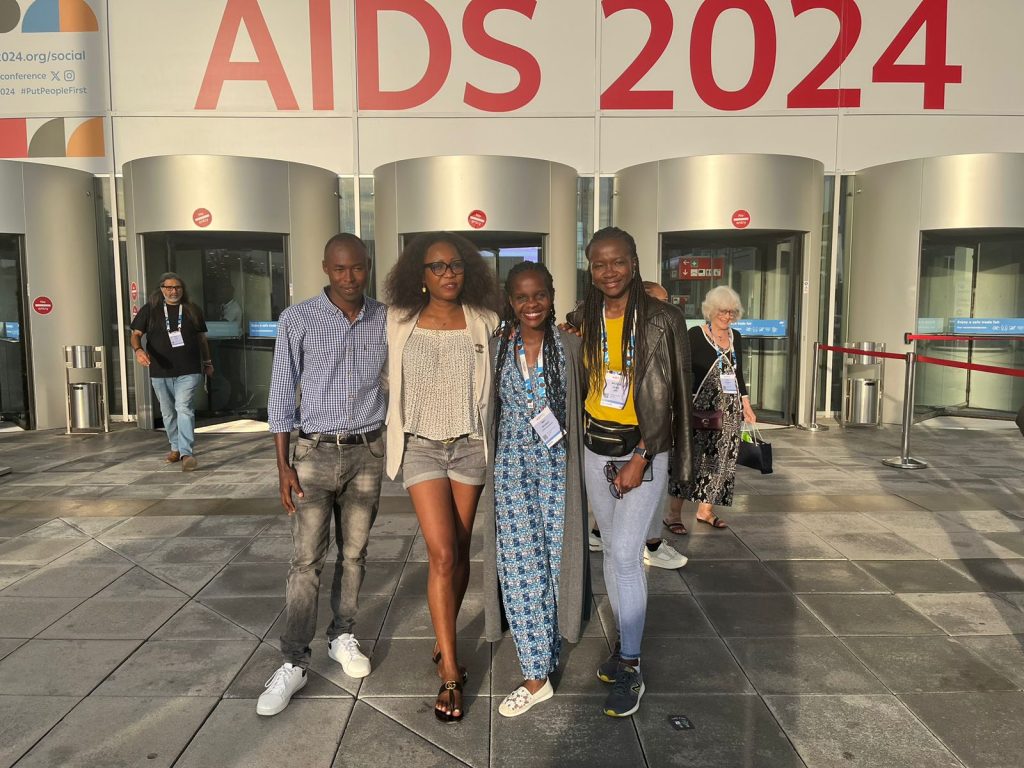
In 2024, the African Center for Health, Climate & Gender Justice Alliance (ACHCGA), in close collaboration with AMREF, made a significant impact at the AIDS Forum in Munich, Germany. This event, central to global health research and development, served as a critical platform for discussing the complex intersection between climate change and its potential repercussions on HIV treatment and prevention efforts.   As the world grapples with the escalating impacts of climate change, another battle continues to wage, the fight against HIV and AIDS. Since its emergence, HIV has claimed millions of lives, remaining a formidable public health challenge. Increasingly, the link between climate change and HIV is becoming clear, particularly in vulnerable regions where the two crises converge. This convergence demands urgent action from all stakeholders to address the twin challenges of climate change and HIV.   According to WHO statistics, HIV has claimed the lives of 42.3 million people worldwide. Despite advances in medical technology, prevention, and treatment, the disease continues to affect millions. As of 2023, over 39.9 million people were living with HIV, with a staggering 65% of the global burden falling on the African continent. New infections in 2023 numbered 1.3 million, and there were 630,000 deaths related to the disease. This enduring crisis is further complicated by the growing impact of climate change, particularly in regions still developing or facing infrastructural challenges. The correlation between HIV infection rates and climate change is becoming increasingly evident. Changing weather patterns, rising temperatures, and shifting disease dynamics have escalated into a public health emergency. In many HIV-endemic regions, such as Kenya, climate change exacerbates an already fragile healthcare infrastructure. Frequent droughts, famine, floods, and other climate-induced disruptions hinder the delivery of essential services, including HIV testing, treatment, and care. Health facilities often become inaccessible or damaged, leading to interruptions in critical services like antiretroviral therapy. Such disruptions can have dire consequences for people living with HIV, undermining the progress made over decades. Those most affected by climate change—people living below the poverty line, marginalized groups, rural communities, women, and young people—are often the same populations disproportionately impacted by HIV and AIDS. Climate change intensifies socio-economic vulnerabilities, increasing the risk of HIV transmission. This duality underscores the urgent need for integrated approaches that address both environmental and health inequities, providing a more holistic response to these intertwined crises. The intersection of climate change and HIV/AIDS places immense pressure on resource-strapped low-income countries. Funding that could support HIV prevention and treatment often gets diverted to immediate climate disaster responses. The urgent demand for resources to mitigate climate change can overshadow the need for sustained investment in HIV/AIDS programs, jeopardizing the gains made over recent decades. At the 2024 AIDS Forum in Munich, Maureen Achieng, a leading researcher with AMREF, highlighted this dilemma: “The climate crisis is not just an environmental issue; it is a public health emergency that is making it increasingly difficult to control the HIV/AIDS epidemic in regions like Sub-Saharan Africa. There’s a need for integrated approaches that address both environmental and health inequities to ensure that the strides we’ve made so far in HIV prevention and treatment are not undone.” She further emphasized the critical role of meaningful youth engagement in decision-making processes, noting that young people are not only the backbone of vibrant economies but also bear the brunt of both crises. The forum underscored the necessity for a multifaceted response to the HIV/AIDS and climate change nexus. Public health strategies and policies must incorporate climate resilience to ensure the uninterrupted flow of HIV/AIDS programs in the face of environmental challenges. This entails addressing the social determinants of health that climate change exacerbates and strengthening health infrastructure to withstand environmental disruptions. Global health policies must advocate for increased financing and resource allocation to tackle both crises simultaneously. International organizations, governments, and NGOs must work collaboratively to establish integrated policies that meet urgent health needs while enhancing resilience against climate change.

Groundbreaking Insights at the 2024 AIDS Forum in Munich Read More »